
Springs And Meadows Dubai: Key Features And Residential Insights

Community Design Approaches in Springs and Meadows Dubai
In analyzing the layout of Springs and Meadows, one vital aspect is the use of “clustered” housing patterns. Villas and townhouses are grouped to maximize access to communal spaces and optimize land use. Homes are typically arranged to ensure that each residence is within a reasonable distance of parks, lakes, or central amenities. This clustering strategy can create social hubs while preserving individual privacy through thoughtful orientation and landscaping buffers.
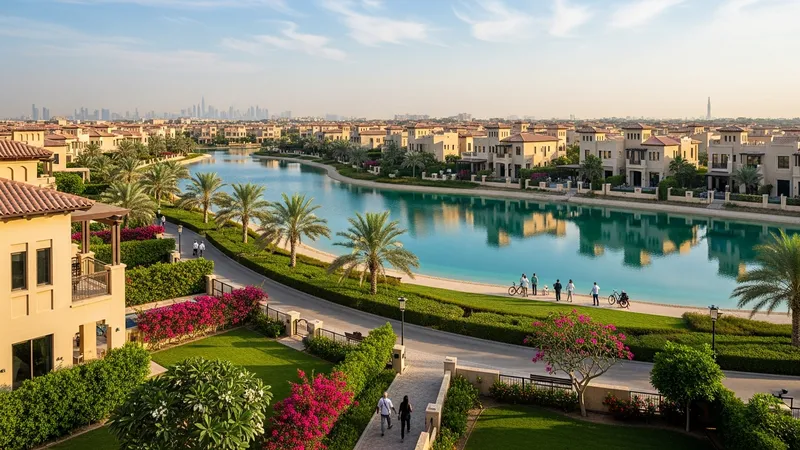
The incorporation of artificial lakes and landscaped features is a prominent design element. These water bodies and gardens not only enhance visual appeal but may also contribute to a localized microclimate, potentially cooling adjacent zones. While environmental considerations play a role, the primary purpose is often to offer recreation and scenic value. Pathways are often routed alongside lakes and gardens, promoting active use of outdoor space by residents.
Another design consideration in these communities is the provision for varied transportation modes. Roadways are typically wide and include roundabouts, while pathways for pedestrians and cyclists are integrated throughout the layout. These provisions may make it easier for residents to choose alternatives to driving for intracommunity movement, which aligns with contemporary urban planning trends promoting sustainability and healthy living.
Access management is also a key part of the design philosophy. Community perimeters are usually defined with controlled entry points, which may include security features for vehicle and pedestrian ingress. This setup often aims to balance openness with safety, and can affect daily visitor arrangements, deliveries, and emergency responses. The combined effect of these approaches is to provide a planned, convenient residential atmosphere that reflects broader trends in Dubai’s urban development.