
Spa Sauna Benefits: How Heat Sessions May Support Stress Relief

Safety Considerations, Contraindications, and Practical Considerations for Heat Sessions
Safety considerations for heat sessions focus on individual tolerance and situational factors. People with certain medical conditions, those taking specific medications, pregnant individuals, and persons with cardiovascular concerns are often advised to seek personalised medical guidance before participating in heat sessions. Language used in professional settings typically frames this as a consultation matter rather than a prohibition: clinicians can provide individualised advice based on health status. Operators generally provide on-site signage and staff guidance to inform users about typical conditions that may merit extra caution.
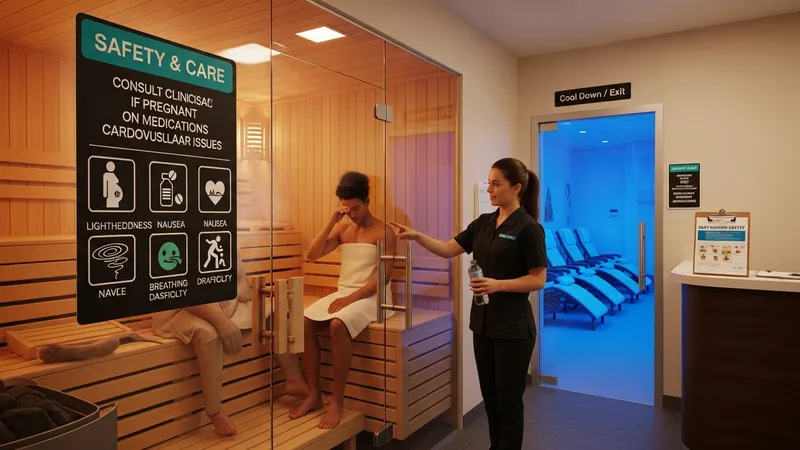
Recognising signs of discomfort and having a plan to exit a session are standard practical points emphasised by facilities. Common indicators of intolerance include lightheadedness, excessive nausea, or difficulty breathing; in such cases, exiting the heat environment and moving to a cooler area is the typical immediate action. Facilities generally train staff to respond to reports of discomfort and to suggest rest and hydration. These procedural elements are described as safety-oriented practices rather than guarantees of outcome.
Equipment and maintenance factors also affect safety and experience. Well-ventilated rooms, secure seating, non-slip surfaces, and appropriate temperature controls are basic operational elements. Facilities often follow local building and safety guidelines to manage heat systems and humidity control. Regular maintenance and clear user information about session structure and expected sensations help reduce common sources of discomfort related to equipment or environmental conditions. Users are typically informed about how a facility manages these operational aspects.
Finally, practical considerations include personal preparation and post-session recovery. Wearing appropriate attire or towels, avoiding heavy alcohol consumption before sessions, and allowing time to rest afterwards are often presented as pragmatic measures to enhance comfort. These suggestions are framed as considerations to help individuals tailor their experiences rather than as prescriptive instructions. Readers are encouraged to weigh such factors against their own preferences and to consult relevant professionals for personalised guidance where health conditions are present.