
Solar Power Savings: Understanding How Solar Lowers Utility Bills

Household Usage Patterns and Maximizing Solar Power Value
In Australian households, the timing of electricity consumption relative to solar production may influence the degree of savings achieved. Daytime occupancy or the use of appliances during periods of high solar generation often means that a greater portion of generated electricity is used directly onsite, reducing reliance on grid-supplied power. Conversely, households with peak consumption during evenings and nights may find they benefit more from integrating battery storage to capture daytime excess for later use.
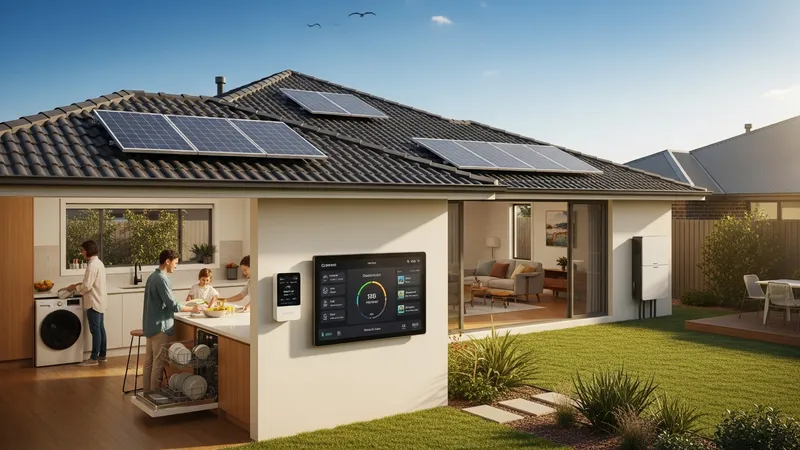
Adopting load-shifting practices, such as scheduling heavy appliance use (e.g., washing machines, dishwashers, water heaters) to align with midday solar output, can further improve self-consumption levels. Some smart meters and home automation systems are designed to assist households in tracking energy production and usage patterns to enable informed adjustments. Understanding these patterns can be especially relevant in environments where feed-in tariffs are comparatively low, and maximizing onsite consumption delivers the clearest value.
Australian climate and seasonal patterns also affect solar performance. While most systems generate more electricity during summer months, winter sunlight hours and cloudy conditions may limit production. Households may observe both monthly and daily variability in solar output, and monitoring technological advances—such as improved panel efficiency or weather-adaptive algorithms—may help manage expectations over time. Consistent performance monitoring is beneficial for identifying and addressing issues that could reduce overall yield.
In summary, households in Australia considering solar solutions have a range of factors to consider, from technical components and battery integration to regulatory settings and usage patterns. Careful analysis of household consumption, local solar resource, and policy frameworks can contribute to more informed expectations of potential bill reductions.