
Solar Power Savings: Understanding How Solar Lowers Utility Bills

Solar Battery Storage: Impact on Savings and Usage Patterns
The decision to add a battery system to a rooftop solar installation is most often influenced by patterns of household energy consumption. In Australia, batteries enable storing solar energy generated during peak sunlight hours for later use, such as in the evening or during grid outages. This can reduce the amount of electricity purchased from the grid, particularly where time-of-use tariffs make energy procurable at higher rates during non-daytime hours.
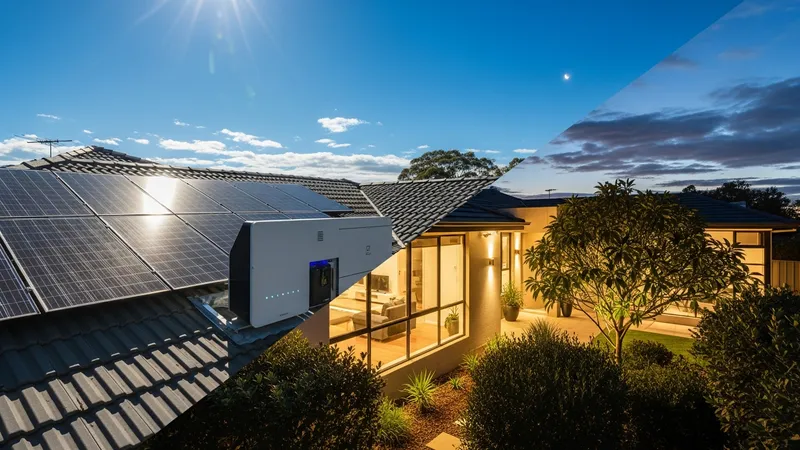
Battery economics in Australia are shaped by up-front purchase and installation costs, expected life cycles, and battery capacity. While initial investment may be substantial, some households may find value in greater energy independence, potential reductions in demand charges, or improved utilization of solar-produced electricity. Cost-benefit outcomes are often highly individual, reflecting the interaction of battery size, home demand profile, and ongoing local energy prices.
Advancements in battery management software can complement physical hardware by optimizing storage and release schedules. Intelligent systems may enable users to prioritize battery use during high-cost grid periods or integrate with smart home applications. In some regions, batteries are eligible for government incentives, which may help offset initial expenses, but these programs can change over time, requiring ongoing attention to policy developments.
The environmental consideration associated with battery storage includes the sourcing, recycling, and disposal of battery components. Common system types used in Australia include lithium-ion and lead-acid batteries, each with distinct performance and lifecycle characteristics. Consumers evaluating battery integration may benefit from reviewing product warranties, typical degradation rates, and recyclability provisions offered by reputable suppliers.