
Smart Technology In Business: Enhancing Operational Efficiency

Challenges and Risks Associated with Smart Technology Integration
Technological complexity may present an obstacle for some Italian businesses lacking in-house digital infrastructure or expertise. Choosing appropriate technologies that align with operational needs requires comprehensive planning and might involve external consultancy. This underlines the importance of detailed feasibility analyses before implementation.
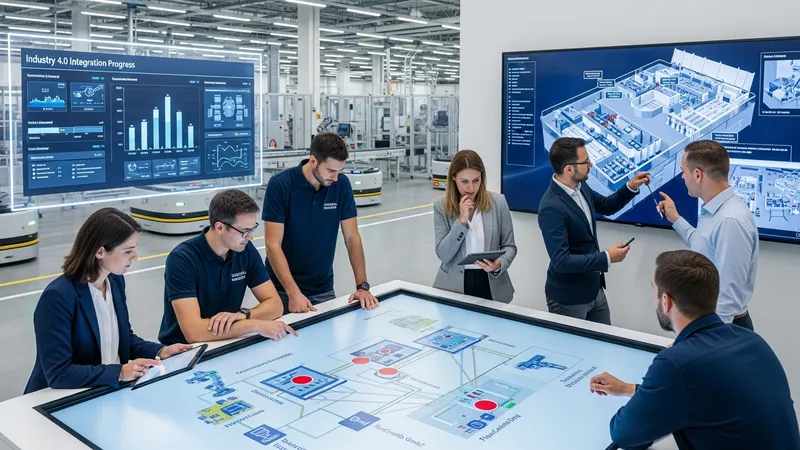
Interoperability issues can arise when various smart systems or equipment from different vendors coexist. Ensuring that these components effectively communicate demands consideration of industry standards and integration protocols. In Italy, initiatives supporting digital standard alignment for Industry 4.0 might assist in addressing these concerns.
There are also potential risks related to data privacy and security breaches. Collecting extensive operational data within networked environments increases the surface for cyber threats. Compliance with GDPR and Italian data protection laws often requires constant vigilance, regular system updates, and robust incident response strategies.
Finally, shifts in workforce dynamics may lead to temporary disruptions or uncertainty among employees. Italian organizations may encounter challenges linked to reskilling requirements and the cultural acceptance of automated processes. Transparent communication and supportive change management are often essential in mitigating such effects.