
Smart Technology For Small Businesses: How Automation Tools May Improve Efficiency

Types of automation tools for small businesses in France
Automation tools for small French businesses commonly fall into categories such as accounting/invoicing, scheduling, payments, and customer support. Accounting solutions used in France often include VAT handling and export formats compatible with local accountants. Scheduling tools typically offer French-language notifications and calendar integrations. Payment processors designed for the French market handle SEPA payments and card transactions in euros. Customer support platforms may provide automated ticket routing and canned responses in French. Choosing categories that align with a specific firm’s frequent tasks can clarify where automation is most likely to reduce manual workload.
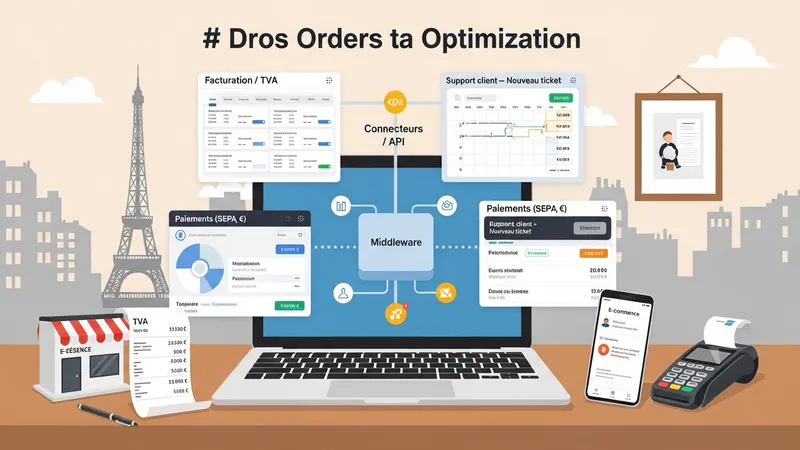
Examples in each category can be connected via APIs or integration platforms. For instance, an online shop on Shopify France can be linked to a payment gateway like PayPlug and to accounting software such as Sage, enabling sales to generate invoices and update stock levels automatically. When working with multiple vendors, small businesses in France may find prebuilt connectors or middleware that explicitly list French integrations helpful. Such patterns often reduce the need for custom development but may still require configuration to match local tax and reporting rules.
Practical deployment frequently begins with a single repeatable process, such as automating invoice delivery after a confirmed sale or sending appointment reminders 24 hours before a scheduled service. In France, firms may also prioritise tools that generate documents meeting legal requirements for invoices and receipts. Typical priorities include French-language interfaces, euro-based transaction records, and compatibility with accountants or expert-comptable practices common in the French market.
Considerations for selecting tool types include data residency, support in French, and interoperability with banks and accounting standards used in France. Small businesses may review documentation, vendor pages, and public resources such as France Num or INSEE to understand adoption patterns and compliance expectations. These sources can inform which categories are most relevant given a firm’s size, sector, and existing systems while keeping implementation effort manageable.