
Smart Home Safety: Practical Tips For Senior Security

Emergency Alert Systems and Response Options for Seniors in Australia
Emergency alert systems are practical companion tools for seniors living in Australia. These systems generally provide rapid communication with nominated contacts or emergency services if a critical event occurs. Devices are frequently designed for ease of use, often as wearable pendants or wristbands with a single button for activation. Wireless connectivity options include landline, cellular, or hybrid solutions that cater to different environments and user circumstances.
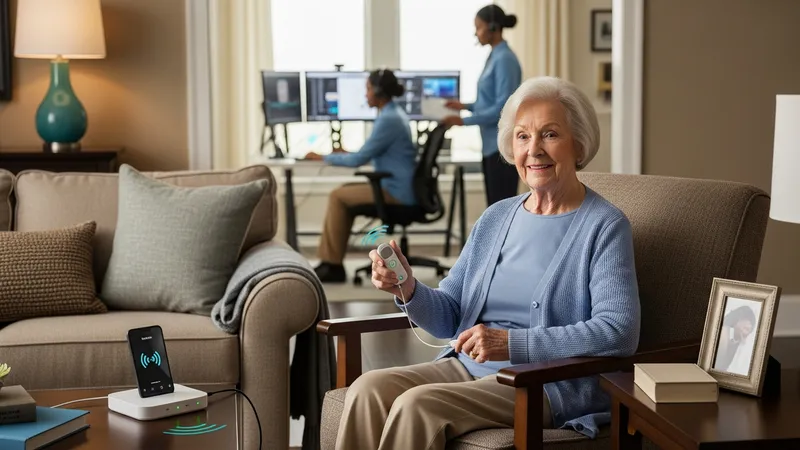
Monitoring and response services in Australia are often staffed around the clock, offering personalised assessment and escalation if an alert is triggered. Some systems may automatically detect falls using accelerometer technology and initiate a call if movement ceases, which can supplement manual activation. These features are typically supported by service agreements that outline response protocols and data privacy compliance.
Deciding between self-monitored and professionally monitored alerts is based on budget, household preferences, and the level of oversight desired. Self-monitored devices generally send notifications directly to family or carers, while professional monitoring connects to call centres for further support. Monthly costs and equipment fees can differ, with current Australian examples ranging from AUD $20 to $40 for monitoring, in addition to initial hardware investments.
Integration with smart home platforms can enhance emergency alert systems by providing additional context, such as recent motion sensor activity or door access logs. Many Australian services offer compatibility with popular home automation products and guarantee support aligned with national communication standards. Changing personal needs, such as mobility or health factors, may influence when system upgrades or service changes are necessary.