
Smart Home Safety: Practical Tips For Senior Security

Key Features of Motion Sensors for Senior Home Safety in Australia
Motion sensors play a significant role in home safety by offering continuous, non-intrusive monitoring. In senior households, they may be positioned in high-traffic areas, such as hallways or main living spaces, to detect regular movement. Their sensitivity can often be adjusted to account for pets or frequent visitors, which helps reduce the chance of false alerts. Australian products typically comply with local electrical and privacy regulations and often integrate with broader home automation systems.
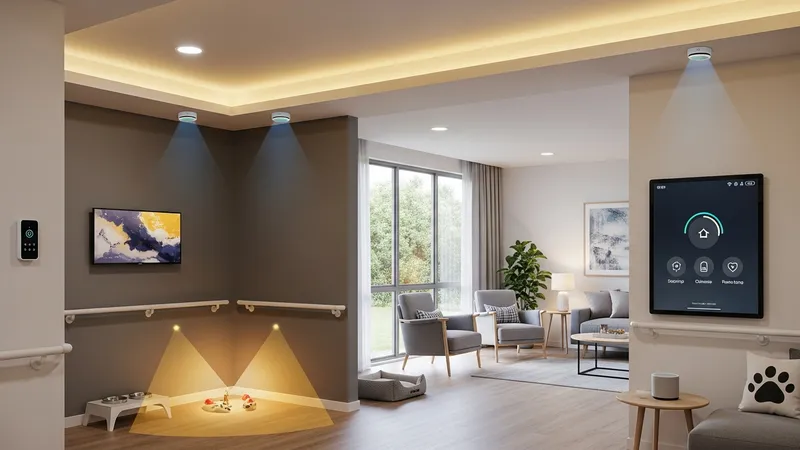
Integration with smart home platforms allows motion sensors to activate lighting or alert caregivers if unexpected movements occur after certain hours. This can assist with both fall prevention and response to potential security incidents. Some devices available in Australia are compatible with voice assistants or mobile apps, enabling households to review activity logs or set custom notification preferences in line with personal routines.
Battery life and connectivity are practical considerations when selecting motion sensors. Most battery-powered models in Australia may operate for several months before needing replacement. Mains-powered devices, while requiring professional installation, can offer continuous performance without regular maintenance. Households should also consider their Wi-Fi or network coverage to ensure reliable sensor communication with associated apps or service providers.
Cost-effectiveness and ongoing reliability influence the choice between standalone and integrated systems. Some Australian seniors prefer basic sensor-only options for specific rooms, while others may opt for a solution that forms part of a comprehensive security platform. As technology evolves, updates in sensor firmware and interoperability are increasingly available, supporting long-term adaptability in household safety strategies.