
Smart Home Automation: How Connected Devices Enhance Daily Life

Core Functional areas in Smart Home Automation: Lighting, Security, and Climate Control
Lighting automation in Saudi homes typically utilizes programmable switches and dimmers that enable residents to schedule on/off times or adjust brightness levels remotely. This can foster energy savings, as lights may be turned off automatically when not needed. Motion sensors are also often used to activate lighting based on household activity, providing controlled illumination for safety and convenience. These solutions usually communicate through Wi-Fi, Zigbee, or Z-Wave protocols, ensuring compatibility with central home automation hubs.
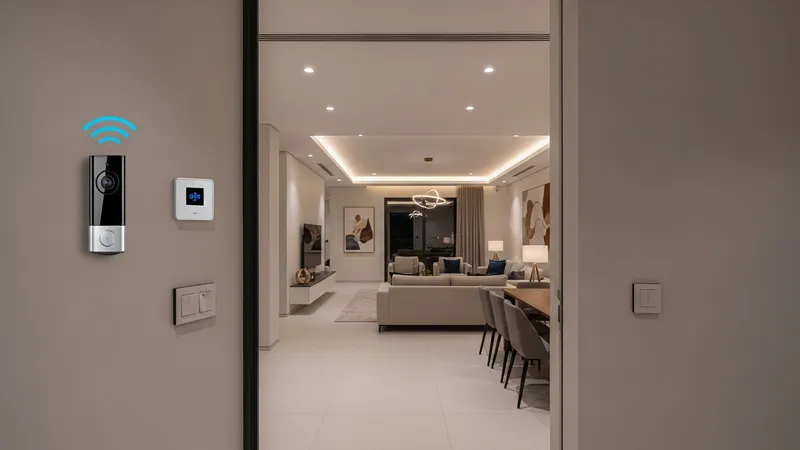
Security is another principal area, commonly enhanced by smart cameras, video doorbells, and connected alarm systems. In Saudi Arabia, many solutions offer real-time monitoring, motion-triggered alerts, and the ability to review footage from smartphones. Integration with services such as STC or regional providers can enable both self-monitoring and third-party notification. Security automation systems in the country typically offer options for cloud-based storage and may be designed to comply with local data privacy regulations.
Climate control devices, such as smart thermostats and automated shades, are increasingly prevalent in Saudi households. These systems can regulate air conditioning settings based on occupancy or external temperatures, aiming to reduce energy consumption during peak heat periods. Automated shading systems further assist by managing sunlight exposure, which may reduce cooling demands within residences. Most products on the market support integration with existing HVAC (Heating, Ventilating, Air Conditioning) infrastructure.
The interoperability of these functional areas—lighting, security, and climate—permits residents to create custom scenarios, such as adjusting indoor environments for comfort during specific times of day or activating security protocols when leaving the home. Such flexibility may help Saudi residents manage resources more efficiently, although effective implementation often depends on comprehensive setup and maintenance. This interconnectedness is a defining feature of modern smart home automation systems in the region.