
Small RVs And Camper Vans: Key Features Pensioners May Value For Comfortable Travel

Systems, Utilities, and Simplified Maintenance for Long-Term Travel
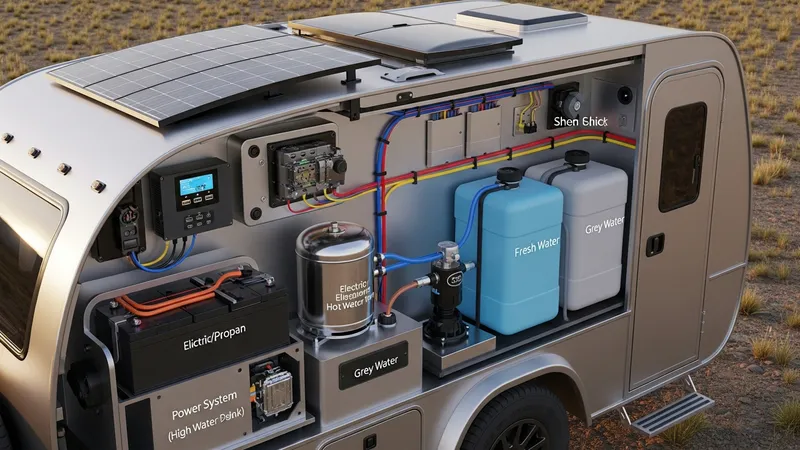
Electrical and water systems in compact campers are commonly sized for modest, efficient use. Battery banks, solar panels, and simple shore-power hookups often combine to supply lighting, small appliances, and charging needs. Water systems typically include a fresh water tank, a small greywater tank, and an efficient pump; hot water may be provided by compact electric or propane heaters. Simplified system layouts with accessible components can reduce complexity during routine checks and repairs, and modular components may be easier to replace when necessary.
Heating and cooling solutions for small units frequently emphasize efficiency. Diesel or propane heaters designed for small spaces, low-power 12V fans, and portable electric heaters are among typical options. Air conditioning tends to be higher in power demand, so usage patterns often depend on available shore power or solar/battery capacity. Vent placement and reflective exterior finishes can assist passive thermal control. When selecting or evaluating such systems, occupants often consider trade-offs between comfort level, energy consumption, and system footprint.
Plumbing and sanitation choices in compact setups often favor simplicity. Cassette toilets, small composting toilets, or portable units are common ways to reduce fixed plumbing requirements. Greywater routing is typically simplified to minimize clog risk, and accessible tank points for emptying are often incorporated. These configurations may reduce service intervals and make waste handling manageable without large, complex systems. Maintenance-friendly component placement and clear labeling of valves and access panels are often included to ease regular servicing.
Serviceability and parts availability are practical considerations for extended travel. Systems that use standard fittings and readily available components may be easier to repair in diverse locations. Onboard manuals, simple diagnostic access, and accessible fuse panels or breaker switches often help owners troubleshoot issues. When systems are modular and documented, routine maintenance and occasional repairs can typically be handled without specialist tools, which may reduce downtime and keep travel plans more flexible.