
Small Cars: Safety Standards And Compliance Explained

Ongoing Compliance and Consumer Considerations for Small Cars
Maintaining ongoing compliance for small cars extends beyond initial registration. Vehicle owners are typically responsible for ensuring that safety equipment, emissions systems, and structural components remain in correct working order throughout the vehicle’s lifespan. State and territory roadworthiness checks may identify compliance issues, requiring timely repairs or modifications to avoid penalties and keep vehicles lawful for road use.
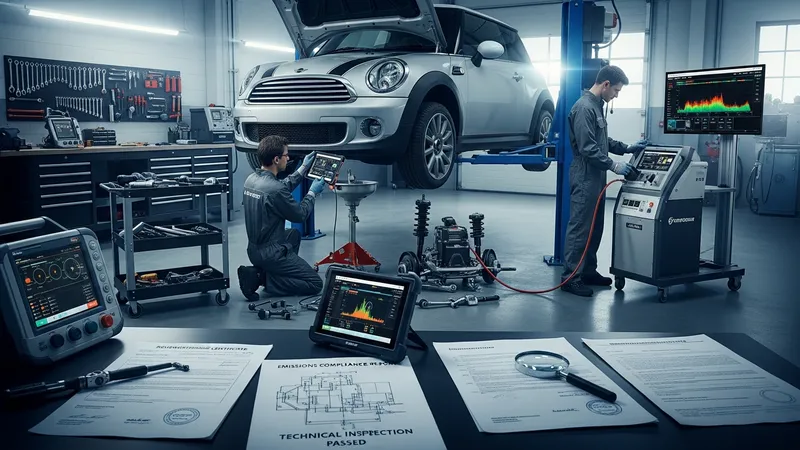
Aftermarket modifications present particular compliance challenges. Alterations to a small car’s suspension, engine, or emissions control systems can affect its adherence to ADR requirements or emissions standards. It is important for modifications to be certified and approved by authorized engineers, and for all changes to be documented according to state or federal regulations.
When purchasing a used small car, consumers may consider requesting documentation of compliance with relevant ADRs, recent safety inspections, and validated emissions test outcomes. Compliance plates, typically affixed in the engine bay, confirm original conformity and can be cross-checked against official records. Dealers and private sellers are subject to disclosure rules under Australian consumer protection law regarding compliance-related defects.
Long-term safety and environmental considerations can also affect the resale value and insurance viability of small cars. Vehicles that consistently meet updated regulatory standards may achieve wider market acceptance and experience fewer legal or administrative issues. As government requirements are periodically reviewed and updated, staying informed of regulatory changes is advisable for both owners and prospective buyers.