
Small Business Liability Insurance: Key Coverages And What They May Protect

Claims, Exclusions, and Adjusting Coverage Over Time
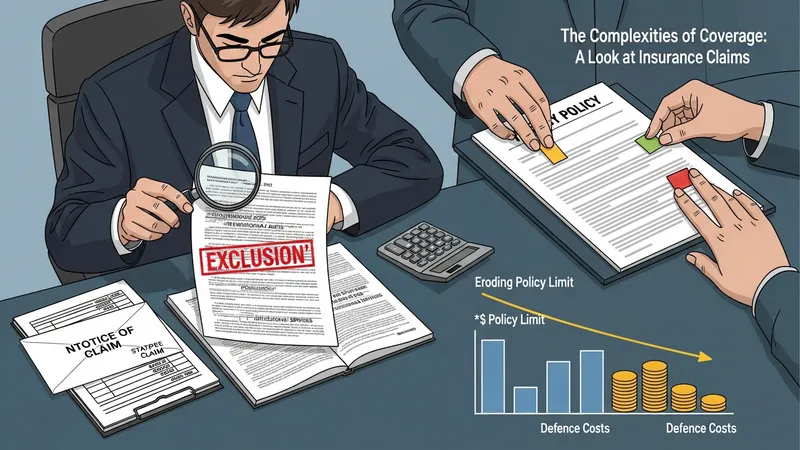
The claims handling process for liability incidents in the United States typically begins with prompt notice to the insurer, who may then investigate, determine coverage implications, and manage defence or settlement activities according to policy terms. Policy language often describes insured duties, such as cooperation and timeliness of notice. Defence costs may be covered within policy limits or as a separate allocation; the contract wording determines whether defence expenditures erode available limits. Understanding these mechanics helps businesses anticipate how a claim could affect policy limits and potential out-of-pocket exposure.
Exclusions commonly limit coverage for certain scenarios and are a frequent source of disputes when claims arise. Typical exclusions in many U.S. liability policies include intentional acts, contractual liability beyond specified thresholds, pollution unless specifically included, and some professional services under a general liability form. Mitigation strategies include purchasing specific lines (e.g., professional liability, pollution liability) or adding endorsements that expand protection. Recognizing common exclusions may clarify where additional policy types could be appropriate to address uncovered exposures.
Contractual requirements often prompt businesses to modify or expand coverage through endorsements. For example, landlords or clients in the U.S. may request additional insured status or specific liability limits to satisfy contractual obligations. Such endorsements can change the way claims involving third parties are managed, including defence obligations and indemnity relationships. Maintaining documentation—such as certificates of insurance that reflect current endorsements—can be an operational necessity when contracts specify insurance terms.
Periodic review and adjustment of liability programs is a practical consideration as a business evolves. Changes in product lines, services offered, staff size, revenue, or contractual arrangements can shift exposure profiles; accordingly, coverage limits, policy types, and endorsements may need to be revisited. While the insurer or licensed insurance professionals can provide policy details, the decision to alter coverage is an organizational choice based on the firm’s risk tolerance and contractual needs. Regular review often helps align coverage with present exposures and industry practice.