
Small Business Liability Insurance: Key Coverage Types And Provider Options Explained

Coverage categories and how they function for small business liability in the United States
General liability commonly responds to third-party claims for bodily injury and property damage and typically includes personal and advertising injury elements. For small retailers or contractors operating in the U.S., general liability may be the foundational policy for premises and operations exposures. Product liability is relevant when a business designs, manufactures, or sells goods; it can involve defect theories such as manufacturing, design, or failure-to-warn. Professional liability focuses on services and advice and is frequently structured to address economic losses linked to alleged professional errors. Cyber liability increasingly covers breach response and regulatory notification costs tied to personal data held by the business.
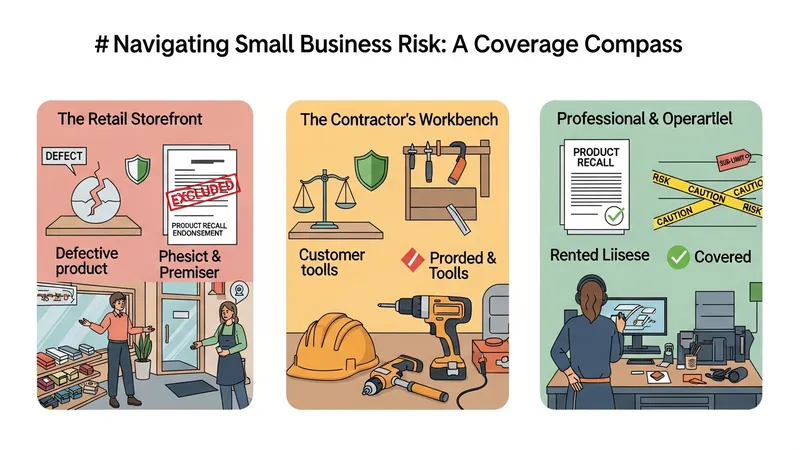
Each category may include typical endorsements or sub-limits that shift how losses are paid. For example, damage to rented premises may have a specified sub-limit within commercial general liability, while product recall costs are often excluded and require a separate recall policy or endorsement. In the United States, data-breach notification requirements vary by state and can influence cyber coverage needs. Small businesses may consider whether a packaged policy such as a Business Owners Policy (BOP) provides adequate combined protection or whether standalone policies better reflect unique exposures.
Interaction among coverages is an important practical consideration. A commercial auto policy will usually be primary for vehicle-related injuries, while general liability may decline coverage for claims arising from vehicle use. Contracts with clients or landlords often require additional insured endorsement, which can extend coverage to other parties but may also create coverage conflicts or additional premium. In the U.S., insurers may issue endorsements to satisfy common contract language, but precise wording varies, and insureds often review such endorsements to ensure they align with contractual obligations.
Regulatory context in the United States affects certain liability exposures. State tort laws, comparative negligence rules, and statutory caps on damages in particular jurisdictions can influence expected claim outcomes and carrier underwriting. For example, states with specific product-liability statutes or consumer protection laws may see different litigation dynamics than others. These legal environments may factor into underwriting and pricing decisions by carriers, and they can shape what is customary within a given state for limits, deductibles, and required endorsements.