
Service Robots With AI: How Automation Is Enhancing Daily Operations

Operational Implications of AI Service Robots
The implementation of AI service robots in operational settings can affect workflow design, labor allocation, and customer experiences. In logistics, robots often assume repetitive or physically demanding tasks, allowing employees to focus on oversight, troubleshooting, or value-added activities. In hospitality, these systems may handle deliveries or room service, offering consistent response times and reducing the need for staff to traverse large facilities.
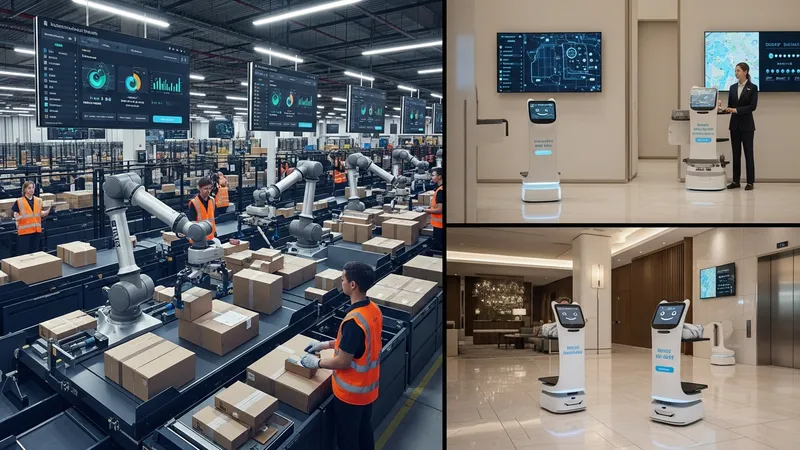
Performance monitoring and analytics frequently inform the ongoing operation of service robots. Organizations may track key metrics such as task completion rates, downtime, and error frequencies to assess effectiveness. Over time, data gathered can identify bottlenecks or areas for refinement, allowing for evidence-based process improvements without direct intervention.
Employee training and change management are essential to successful integration. Staff typically require orientation on how to interact with and oversee robots, as well as protocols for addressing technical issues or safety events. This collaborative approach may foster acceptance and optimize the benefits realized through automation, while ensuring human roles remain an integral part of operations.
While operational efficiency is a frequent objective, organizations also weigh potential limitations. Challenges may involve navigating non-standard spaces, integrating with evolving IT infrastructure, or addressing privacy considerations related to data collection. By recognizing such factors, decision makers can take measured steps towards effective integration of AI-powered service robots.