
Senior Living Options: A Guide To Housing And Care Choices

Types of Housing in Senior Living Options: A Guide to Housing and Care Choices
The housing structures within senior living options vary significantly to accommodate different personal and care requirements. Independent living communities typically consist of apartments, cottages, or townhouses in a campus-like setting. Units are designed to allow privacy while supporting communal engagement, frequently offering shared common areas such as dining rooms, fitness centers, or activity spaces.
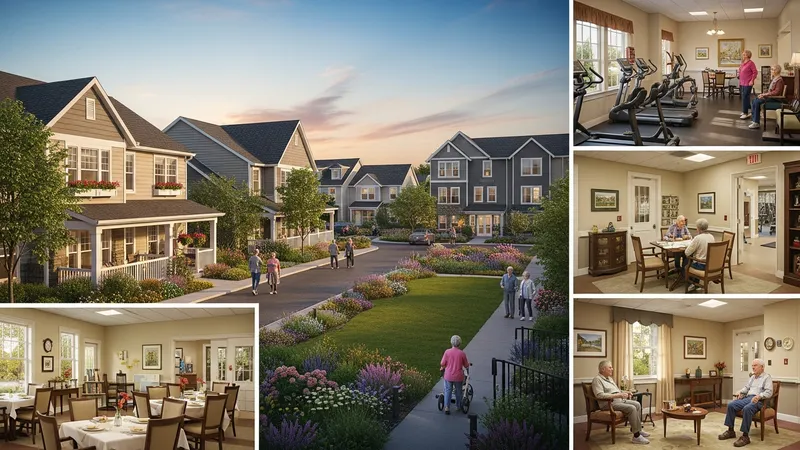
Assisted living facilities often feature private or semi-private rooms grouped around common spaces. The architectural design aims to encourage both independence and accessibility, with features such as handrails, step-free entryways, and emergency alert systems. Residents benefit from having ready access to assistance, and layouts are planned to minimize barriers for those with mobility concerns.
Continuing Care Retirement Communities (CCRCs) may encompass a mix of housing styles on a single campus, including independent living apartments, assisted living suites, and skilled nursing units. This arrangement enables residents to transfer between accommodations as their care needs evolve without leaving the broader community. Shared facilities such as recreation areas and medical clinics may also be available as part of the integrated environment.
The configuration and environment within each senior living model can influence residents’ experiences, social opportunities, and sense of autonomy. Housing selection often considers individual preferences regarding privacy, space, and proximity to services, as well as the potential for adapting to future health needs. Understanding these distinctions may help frame expectations about lifestyle and logistical aspects of senior living settings.