
Senior Homes: Key Features Of Elegant And Comfortable 2-Bed Units

Kitchen and Bathroom Design Adaptations in Two-Bedroom Senior Homes
Kitchens in two-bedroom senior housing often integrate ergonomic principles to facilitate usability. Lower countertops and accessible storage solutions can assist residents with limited reach or strength. Appliances may be selected for ease of use, including side-opening ovens and front-controlled cooktops. Lighting is often designed to minimize shadows and enhance visibility at work surfaces.
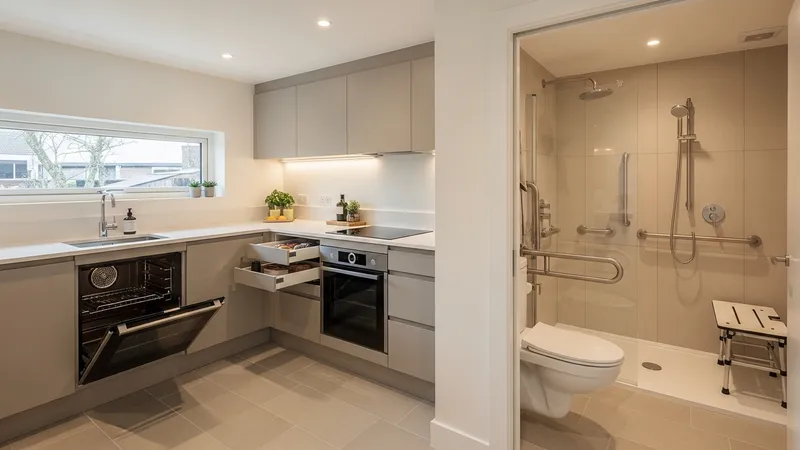
Bathrooms are typically designed with safety and comfort in mind. Features like walk-in showers with seating options may be included to reduce strain during bathing activities. Grab bars at critical points such as near the toilet and inside the shower may be positioned to conform with common ergonomic standards.
Flooring materials in kitchens and bathrooms are usually water-resistant and slip-resistant to reduce accidents. Cabinets may have pull-out drawers replacing deep shelves for easier access. Additionally, faucets often have lever handles or sensor activation to accommodate users with decreased dexterity.
The overall design of kitchen and bath areas within these units is intended to support routine tasks while minimizing physical barriers. These adaptations can help maintain residents’ ability to perform daily activities within their homes for longer periods, subject to individual capabilities and preferences.