
Senior Car Insurance: Key Factors That Influence Coverage Choices

Policy Types and Coverage Options for Seniors in Australia
Comprehensive car insurance remains a widely chosen option for seniors who wish to balance broad protection with flexibility in choosing additional benefits. This type of policy typically covers own-vehicle damage, third-party liabilities, theft, vandalism, and natural disasters. Some providers design policies specifically for older drivers, sometimes including optional add-ons aligned with typical usage patterns, such as reduced average annual mileage.
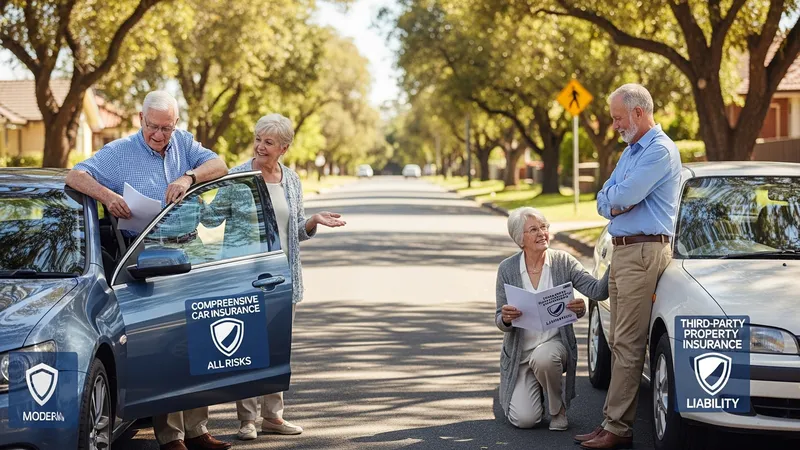
Third party property insurance is an alternative for seniors seeking to fulfil legal requirements and protect against the financial impact of causing damage to others’ vehicles or property. This form of cover is often selected when the insured vehicle is of lower market value, or when the cost of comprehensive insurance may not be justified by the car’s replacement value. Add-ons for fire and theft can be included based on individual needs.
Usage-based policies, also known as pay-as-you-drive or restricted-use policies, have become increasingly available in Australia. Seniors who drive infrequently may find that these policies take into account stated distance limits, with premiums calculated on expected annual kilometres. Such options often require periodic reporting or telematics devices to ensure the coverage remains matched to actual risk exposure.
Policy add-ons relevant for seniors include roadside assistance, windscreen and glass cover, and protection for personal belongings within the vehicle. These optional extras may incur additional premiums, but can provide reassurance and practical benefits for those travelling shorter or less predictable journeys. Seniors are encouraged to review whether these features are automatically included or available for selection when comparing coverage options.