
Semi Automated Ultrasonic Testing: Key Processes And Applications Explained

Technical Components in Semi Automated Ultrasonic Testing Operations
Semi automated ultrasonic testing setups generally consist of several critical components working in coordination. Key elements include ultrasonic transducers, which convert electrical energy into sound waves and vice versa. These probes vary by frequency and configuration, affecting inspection depth and resolution. In Mexico, local availability and compatibility with specific materials often influence equipment choices.
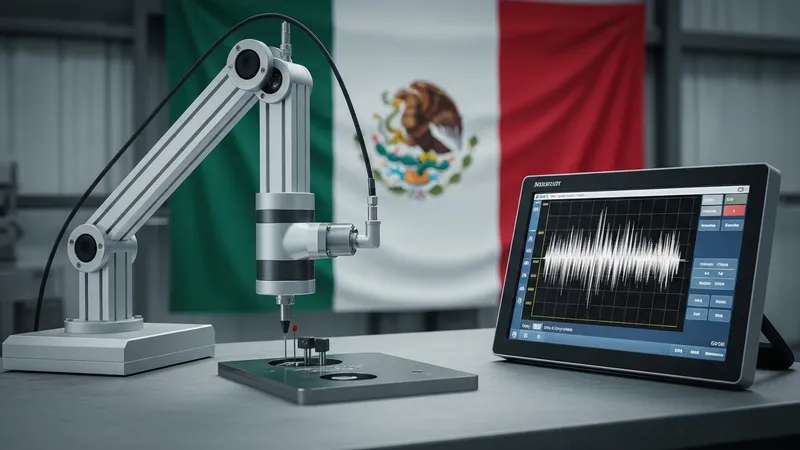
The scanning mechanism represents another important component. Semi automated systems may use motorized devices to move the probe across the test surface at controlled speeds, recording data continuously or at set intervals. This assists in consistent coverage and repeated measurements, which aligns with Mexican quality control practices in sectors like petrochemicals and aerospace.
Signal processing units interpret the returned echoes, amplifying and converting them into digital datasets for analysis. Often, these units integrate with software platforms offering visualization options such as A-scan, B-scan, or C-scan displays. Software tools may provide functionalities to measure defect dimensions or layer thicknesses, subject to operator input. Localization of software providers in Mexico can affect support and compatibility.
Calibration accessories are frequently part of semi automated UT to ensure measurement accuracy. These include reference blocks made of standardized materials matching the inspected object’s properties. Calibration processes may be periodically mandated by Mexican industrial standards such as NMX-H-039-SCFI for nondestructive testing equipment, reflecting the regulatory framework supportive of testing reliability.