
Secure File Transfer Solutions: Ensuring Data Protection In Enterprise Environments

Encryption and Authentication Methods in Secure File Transfer
Encryption forms the core of many secure file transfer solutions, commonly using algorithms like AES-256 to encode files and communication channels. This approach helps to ensure that intercepted data is unreadable by unauthorised individuals. Authentication mechanisms such as multi-factor authentication and integration with directory services provide an additional layer of protection by verifying user identities before allowing transfers.
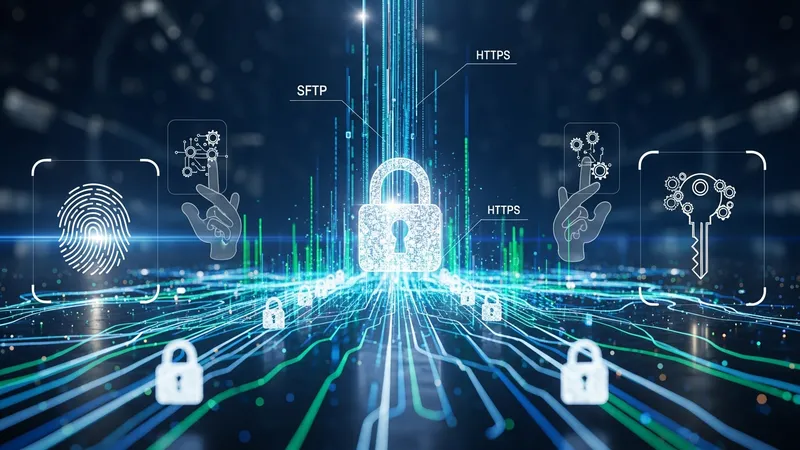
Various secure file transfer platforms often incorporate protocols such as SFTP, FTPS, and HTTPS to safeguard files in transit. These protocols are designed to establish encrypted connections that help protect data from interception or tampering, addressing concerns raised in regulatory frameworks and internal security policies.
Audit logging and session tracking are frequently included as part of the core offering in leading solutions like MOVEit, Axway SecureTransport, and GoAnywhere MFT. These features may be used to record detailed activity logs, which can assist with incident investigations or compliance reporting if necessary.
Some organisations may require integration with certificate-based authentication or support for industry-specific encryption standards. Vendors often provide options to configure bespoke policies, enabling enterprises to align secure file transfer processes with their unique risk profiles and operational needs. This flexibility is seen as valuable in complex business environments.