
SaaS Cybersecurity: Key Practices For Protecting Cloud-Based Applications

Access Control Mechanisms in SaaS Cybersecurity
Access controls form a foundational element in protecting SaaS applications by regulating which users can enter systems and perform certain actions. Methods often include authentication processes, authorization levels, and session management. In South Korea, compliance with regulations like the Personal Information Protection Act (PIPA) may influence how access policies are designed to protect personal data accessed through SaaS.
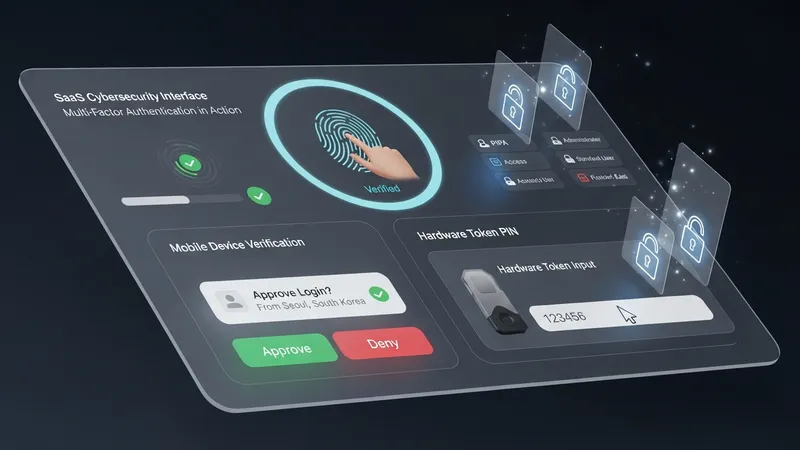
Multi-factor authentication (MFA) is frequently adopted to add security layers beyond simple password entry. MFA may involve verification via mobile devices, biometrics, or hardware tokens. While MFA adoption may incur additional operational costs and user training, it typically reduces risks of credential compromise in cloud environments.
Role-based access control (RBAC) is often used to assign permissions aligned with job functions, limiting exposure of sensitive functions and data within the SaaS application. This approach simplifies administration and can support compliance by ensuring users operate within defined security boundaries.
Session management techniques, such as timeouts and anomaly detection, may help prevent unauthorized usage after initial authentication. Organizations implementing SaaS services in South Korea may integrate these mechanisms into broader Identity and Access Management frameworks tailored to their operational and regulatory needs.