
Robotic Automation Systems: Enhancing Efficiency In Production Lines

Performance Characteristics and Operational Considerations
Robotic automation systems can represent various performance profiles, such as repeatability, speed, and payload capacity. Repeatability, a key measure, addresses the robot’s ability to return to a precise position, which is crucial in quality-sensitive manufacturing lines. Operational speed influences overall cycle times and throughput capacity on the production line.
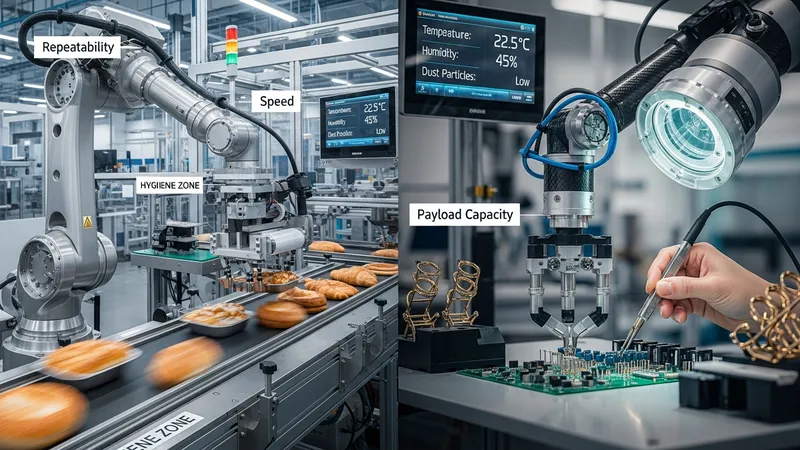
Implementations in Thailand exhibit diverse performance needs based on industry sector. For example, food packaging lines may prioritize speed and hygiene compliance, while electronics manufacturing focuses on accuracy and delicate handling. Operational environments simultaneously affect performance, as temperature, humidity, and dust levels can influence robot selection and maintenance schedules.
Automation systems often include sensors and feedback mechanisms to adjust motions dynamically. Such features can compensate for minor variations in input materials or alignment changes, supporting production stability. The inclusion of safety interlocks and machine guarding remains a regulatory and operational priority to reduce risks related to robot-human interactions.
Energy consumption and system uptime can also factor into production planning. Efficient power use and manageable maintenance downtime contribute to cost-effectiveness. Maintenance staff require access to diagnostics tools and training aligned with specific robotic models to keep systems operating within expected parameters.