
Risk Assessment Tool: How It Supports Identifying And Managing Potential Hazards

Regulatory Context for Risk Assessment Tools in the United Kingdom
In the United Kingdom, risk assessment requirements are deeply influenced by legislative frameworks. The Management of Health and Safety at Work Regulations 1999 sets out the obligation for workplaces to conduct “suitable and sufficient” assessments of health and safety risks. Failure to meet these requirements may result in penalties or enforcement notices from regulatory bodies such as the Health and Safety Executive (HSE).
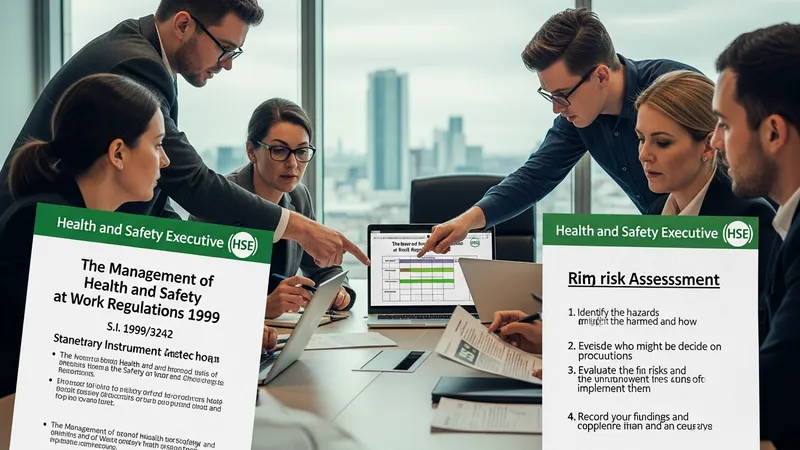
Risk assessment tools often integrate legal provisions, ensuring steps such as hazard identification, evaluation of risk, and implementation of controls are followed as outlined by UK authorities. For example, the HSE Five Steps to Risk Assessment specifically mirrors statutory guidance, making it a reference point for many UK businesses.
Sector-specific regulations may introduce further requirements. Healthcare, construction, and other industries often have additional statutory duties, such as the Control of Substances Hazardous to Health (COSHH) Regulations 2002 or the Construction (Design and Management) Regulations 2015, which demand tailored risk assessments. Risk assessment tools may include industry modules to support compliance with these specialised frameworks.
Documentation is a significant aspect of regulation. Risk assessments must usually be documented, reviewed regularly, and kept accessible for inspection. Tools that offer robust recordkeeping and reporting features may help organisations demonstrate conformity with UK legislation, particularly during regulatory audits or following workplace incidents.