
Retirement Property Investments: Key Considerations For Future Planning

Rental Yield, Capital Growth, and Ongoing Costs in Australian Retirement Property Investments
Rental yield and capital growth are core indicators commonly referenced in assessing the financial viability of retirement property investments in Australia. Rental yield is generally calculated as annual rental income divided by property value, offering an estimate of ongoing cash flow potential. Yields can fluctuate depending on local tenant demand, property type, and market conditions; according to Reserve Bank of Australia, yields in major cities may typically range between 2% and 5% for residential properties.
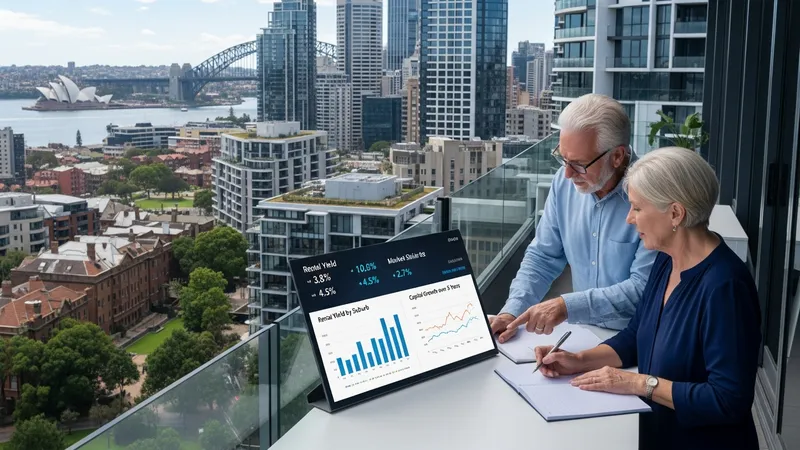
Capital growth refers to the potential increase in property value over time. Australian property markets have historically shown periods of both appreciation and stagnation, impacted by shifts in supply, financing conditions, and regulatory changes. For retirement planning, investors may weigh historical capital growth rates in areas of interest, but should recognize that future performance is subject to broader economic and policy influences.
Ongoing costs must also be carefully considered, as they can affect overall returns and day-to-day affordability in retirement. These costs can include council rates, maintenance, insurance, property management, and—for certain properties—strata or retirement village fees. For retirement villages, regular charges are typically outlined in resident agreements, while SMSF-held properties may involve annual audit and accounting expenses under ATO guidelines.
Factoring in all income and expense elements provides a more complete view of a property’s role within a retirement plan. Budgeting for periods of vacancy, repairs, and unexpected costs is generally regarded as prudent. Differentiating between properties with varying cost structures and capital growth potential enables investors to construct portfolios aligned with their retirement income and risk preferences.