
Renewable Energy: Role And Impact In Modern Power Generation

Major Types of Renewable Energy Technologies in Power Generation
Solar photovoltaic (PV) systems transform sunlight directly into electricity, typically using silicon-based cells. Installation ranges from rooftop modules for homes and businesses to multi-megawatt solar parks. Key factors influencing their utility include sunlight availability, panel efficiency, and system integration capabilities. Innovations in PV technology continue to address conversion rates, cost, and material sourcing, which can affect market adoption depending on regional conditions.
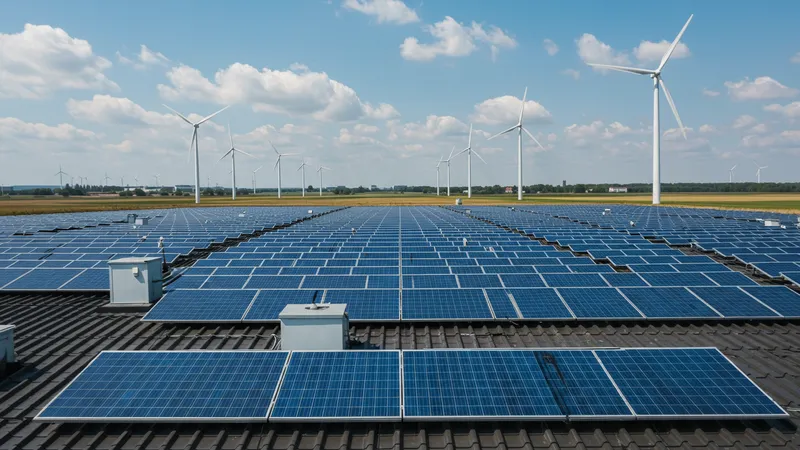
Wind power employs turbines to capture energy from wind currents. It is commonly divided into onshore and offshore installations, each with unique planning, engineering, and environmental requirements. Onshore wind projects generally benefit from easier installation and maintenance access, while offshore sites may offer higher and more consistent wind speeds. Both systems typically require significant upfront investment, with returns realized over multi-year periods as part of broader energy portfolios.
Hydropower remains one of the oldest and most established renewable energy sources in electricity generation. It utilizes moving water—often rivers or strategically constructed reservoirs—to rotate turbines. Project size varies widely, from small run-of-the-river plants to large dams. While hydropower typically provides stable output, it may be subject to seasonal variability and environmental impact considerations, such as habitat disruption or water resource management.
Each major renewable technology presents distinct technical, economic, and environmental characteristics. Their integration into modern power systems is often tailored based on regional resource availability, infrastructure needs, and local energy demand profiles. Ongoing advancements in materials science, digital controls, and grid flexibility may facilitate wider adoption of renewables in diverse settings.