
Real Estate Investment: Key Factors To Consider Before Investing

Market Trends and Economic Considerations in Thai Real Estate Investment
Thai real estate markets experience periodic shifts influenced by broader economic factors, policy changes, and demographic trends. Urbanization continues to spur demand in major cities, where housing needs drive both condominium and serviced apartment projects. Demand in tourist destinations such as Pattaya and Phuket is often affected by travel trends, foreign exchange fluctuations, and local development incentives that may encourage new supply or renovation of existing properties.
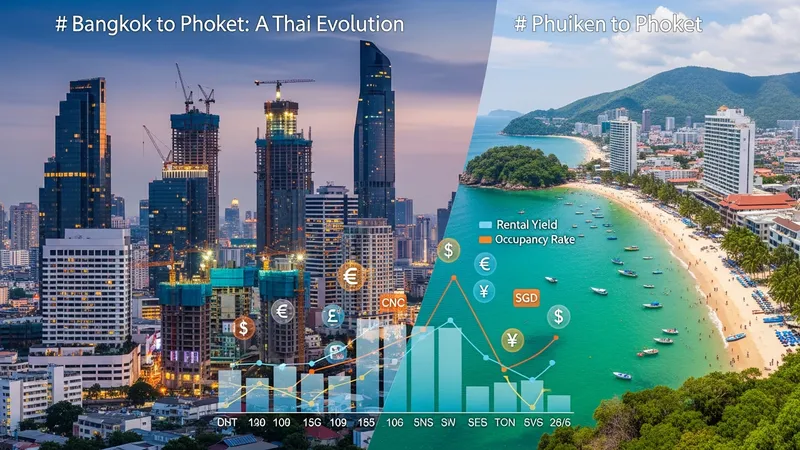
Rental yields and occupancy rates are commonly analyzed by prospective investors as part of their decision-making process. In central Bangkok, rental yields for condominium units may range from 3% to 6% annually, depending on building age, location, and tenant demand. Prevailing market conditions, such as post-pandemic recovery patterns or anticipated future infrastructure projects, also influence price adjustments for both sales and leases in many Thai regions.
Lending practices and interest rates set by domestic banks affect the affordability and accessibility of real estate purchases, especially for local buyers. Foreign nationals may face additional constraints or documentation needs when seeking financing, as credit policies typically differ between borrower categories. Changes to mortgage guidelines or regulatory frameworks, often enacted by the Bank of Thailand, can alter the landscape for both residential and commercial real estate acquisition.
The overall real estate environment in Thailand remains interconnected with macroeconomic fundamentals such as GDP growth, inflation, and foreign direct investment trends. Awareness of the latest data and market reports released by official agencies, reputable research firms, or recognized property information platforms is often seen as a foundational element of informed participation in the sector. This approach helps contextualize decision-making within the realities of changing economic and regulatory conditions.