
Radio Frequency Modules: Key Manufacturing Processes And Industry Applications

Compliance and Regulatory Factors for U.S. RF Module Manufacturers
Compliance with federal regulations is a defining aspect of RF module manufacturing in the United States. The FCC regulates the emission limits, frequency use, and labeling for wireless devices to maintain order within the limited radio spectrum. U.S. manufacturers must confirm that each module adheres to Part 15 of FCC rules, which requires testing for unintentional radiators and specifies limits for harmful interference.
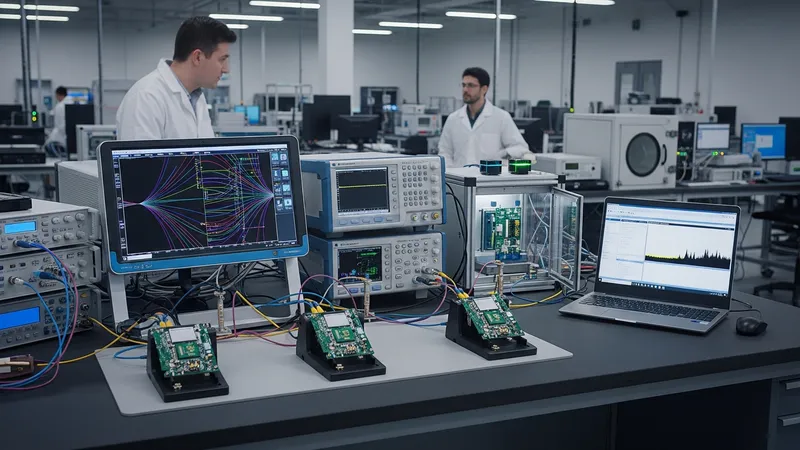
International standards such as those established by the Institute of Electrical and Electronics Engineers (IEEE) or the International Electrotechnical Commission (IEC) may also apply, particularly when U.S. manufacturers export modules or serve multinational clients. Certification typically involves laboratory testing, technical documentation, and ongoing quality control to maintain regulatory standing.
Documentation and traceability are emphasized by U.S. manufacturers to support both compliance and supply chain integrity. Labels must include identification codes, certification marks, and sometimes QR codes for instantaneous verification and recall management. These practices can assist downstream device manufacturers and integrators with their own regulatory requirements.
Recent technological advances, such as the integration of software-defined radios (SDR) or support for unlicensed wireless bands (e.g., Industrial, Scientific, and Medical [ISM] bands), may prompt manufacturers to update procedures or resubmit products for re-investigation. Staying current with both domestic and international requirements is considered necessary in this evolving industry landscape.