
Property Management Software: Key Features Of Cloud-Based Solutions

User Access and Mobility in Cloud-Based Property Management Software
User access and mobility are central features of cloud-based property management software. Since these platforms exist online, property managers, staff, tenants, and owners may access relevant information through web browsers or dedicated mobile apps. This setup can facilitate remote work, particularly when managing geographically dispersed portfolios. Mobile compatibility typically means tasks such as reviewing applications or responding to maintenance requests can occur without location constraints.
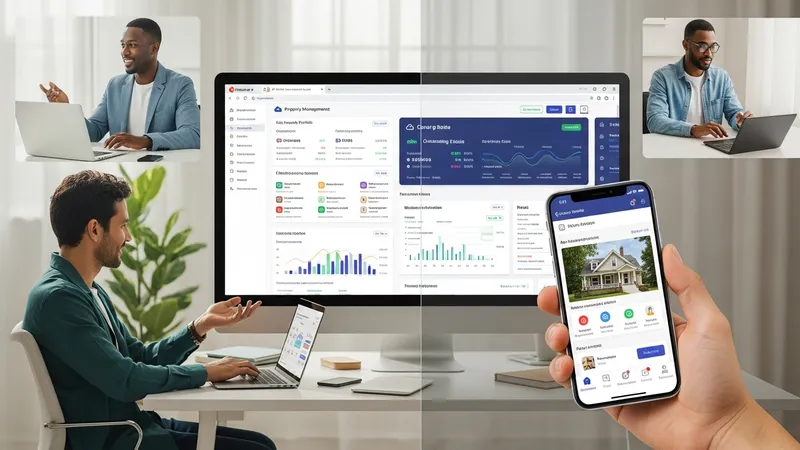
Role-based access is another important aspect. Most software enables administrators to set up distinct user accounts with customized permission levels. For example, tenants may only see their lease details and submit requests, while managers can access or edit comprehensive property data. This structure can help minimize unauthorized access while maintaining operational transparency within the management team.
Examples such as AppFolio Property Manager and Yardi Breeze offer mobile app versions designed to replicate or complement desktop functionality. These apps often include push notifications and real-time updates, supporting on-the-go property management. Integration with smartphone cameras and email functions can also help users upload documents or communicate efficiently while away from an office setting.
The ability to work from multiple locations may also help property management businesses respond to urgent issues or regulatory changes without delay. Cloud-hosted data allows for routine backups and disaster recovery planning, reducing risk of data loss compared to some local solutions. Readers can anticipate further insights about data security and system integration in upcoming sections.