
Proactive Cybersecurity: Strategies For Preventing Data Breaches

Continuous Monitoring in Proactive Cybersecurity
Continuous monitoring is designed to provide ongoing visibility into the security posture of digital assets. Within Swiss organizations, this often involves automated tools that track access attempts, system updates, and changes in network traffic patterns. The aim is to detect deviations from normal behavior, which may indicate early-stage threats or attempts to exploit vulnerabilities. Many institutions opt for solutions that include automated alerts and dashboards for centralized oversight.
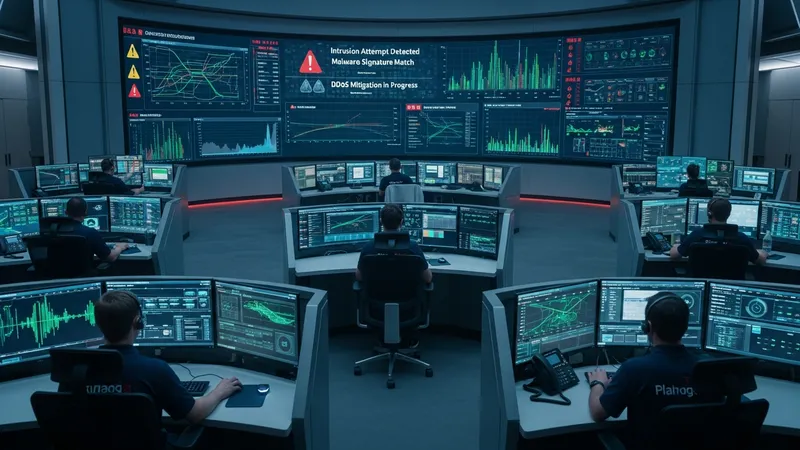
SWITCH’s security monitoring services are representative of how Swiss academic and research institutions integrate automated vigilance. These services typically combine traffic analysis, custom alert creation, and regular reporting, allowing IT staff to respond promptly to detected risks. While some organizations develop internal capabilities, others leverage third-party offerings to supplement resource-intensive monitoring efforts.
Operational challenges often arise when integrating continuous monitoring into legacy systems. Some institutions in Switzerland choose phased rollouts, assessing compatibility and tuning detection thresholds over time. This practice may reduce the risk of false positives or missed alerts, aligning monitoring effectiveness with organizational needs and infrastructure complexity.
Data privacy considerations are central in Switzerland, guiding how monitoring tools collect, analyze, and store security data. Many organizations are careful to ensure compliance with local data protection requirements, such as those outlined in the Swiss Federal Act on Data Protection (FADP). This legal framework impacts both the selection and configuration of monitoring technologies deployed within Swiss environments.