
Private Healthcare: An Overview Of Surgery Options And Patient Pathways

Types of Surgeries Available in Private Healthcare Pathways
Private healthcare facilities in the United States offer a wide array of surgical procedures. These typically include elective surgeries, such as joint replacements and bariatric surgery, alongside specialized operations like cardiac bypass, neurosurgery, and organ transplantation. Many hospitals have established multidisciplinary teams that tailor surgical approaches based on patient needs and current clinical guidelines. The availability of advanced technology, such as robotic-assisted surgery and minimally invasive instruments, may vary by institution and specialty.
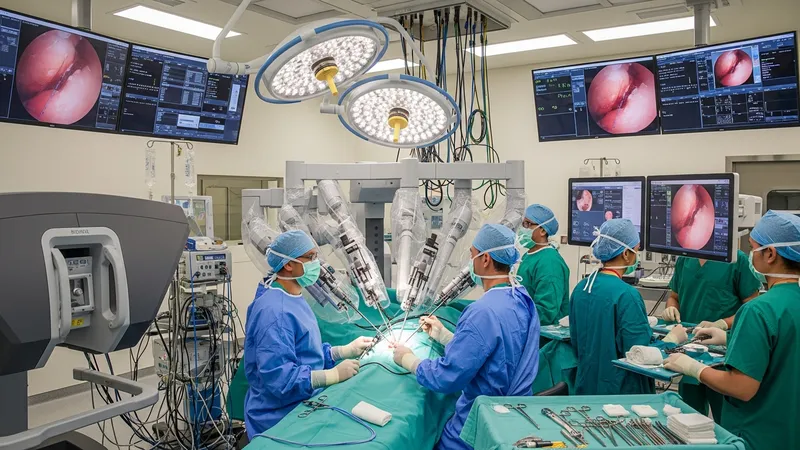
Outpatient or ambulatory surgeries are increasingly common in private contexts. Procedures such as laparoscopic cholecystectomy, cataract extraction, and hernia repair may be performed on a same-day basis. These cases are generally selected based on patient health status, lower risk profiles, and the anticipated complexity of the operation. Outpatient pathways can provide convenience and reduced hospitalization, but are not suitable for all patients or conditions.
Inpatient surgeries involve more extensive planning, longer recovery periods, or complex needs. Examples include major orthopedic reconstructions, open-heart procedures, and multi-organ operations. Admission for inpatient surgery is usually coordinated to ensure all preoperative clearances are in place. Private hospitals often provide private rooms, dedicated nursing, and enhanced perioperative support during these stays.
Innovative surgical techniques continue to emerge within private healthcare settings. Institutions may implement enhanced recovery after surgery (ERAS) protocols, utilize real-time intraoperative imaging, or participate in clinical trials involving new devices and approaches. Patients accessing private pathways should expect transparent discussions of the options available, the evidence supporting each, and the role of multidisciplinary review in case planning.