
Precision Aerospace Manufacturing: Key Processes In High-Tolerance Component Production

Supply chain, workforce skills, and regional considerations in Italian precision aerospace manufacturing
Italy’s aerospace supply chain often clusters in northern regions such as Lombardy, Veneto, and Piedmont where a concentration of machine tool builders, specialised suppliers, and research institutions exists. Universities and technical institutes, including Politecnico di Milano and Politecnico di Torino, may collaborate with industry on process development and workforce training. These collaborations can provide local manufacturers with access to research on high-precision machining, surface integrity, and measurement science that support improved production capability.
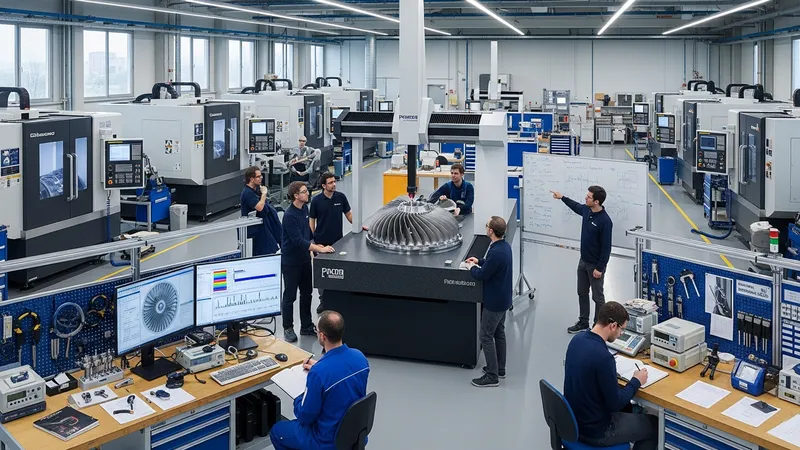
Skilled personnel and vocational training are typical considerations for maintaining tight-tolerance production. Italian technical schools and university programmes may supply graduates with knowledge of CAD/CAM, metrology, and materials science; however, many firms also invest in on-the-job training and cross-training between machining, inspection, and quality departments. Workforce planning may emphasise measurement literacy and understanding of process control so operators and engineers can interpret inspection data and adjust processes within documented control plans.
Supply chain resilience and supplier qualification are commonly emphasised in Italy’s aerospace manufacturing sector. Manufacturers may work with regional suppliers for raw materials, heat treatment, and specialised finishing to shorten lead times and maintain traceability. Procurement and quality teams often document supplier capabilities, accreditations, and historical performance; these records can inform decisions about which suppliers will participate in programs producing narrow-tolerance components.
Research and standards institutions in Italy provide resources relevant to high-tolerance production. National metrology institutes like INRIM, standards bodies, and accreditation organisations contribute to a framework that supports traceable measurements and recognised certification. Companies operating in the sector may reference these institutions when establishing calibration plans, selecting inspection methods, or demonstrating conformity to technical and regulatory requirements for aerospace components.