
Personal Injury Lawyers: Roles, Responsibilities, And Legal Services Explained

Pleadings, discovery, trial procedures, and post-judgment matters
If settlement is not reached, litigation begins with pleadings that set forth allegations and legal theories. In the United States, complaints must comply with federal or state procedural rules depending on the chosen forum; cases invoking diversity jurisdiction or federal questions may proceed in federal court. Early motions can shape the scope of discovery or seek dismissal of claims. Discovery typically involves interrogatories, document requests, and depositions, which are tools used to develop testimonial and documentary evidence ahead of trial.
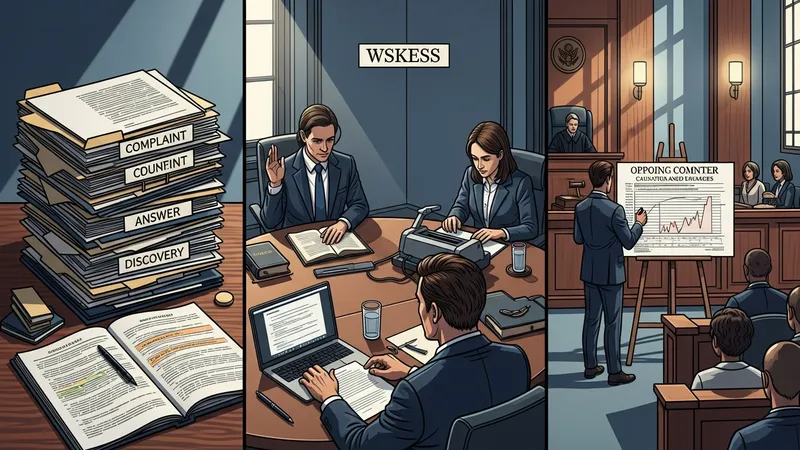
Pretrial practice may include motion practice on evidentiary issues, expert witness admissibility challenges, and settlement conferences ordered by the court. Trial preparation often focuses on witness preparation, exhibit organization, and jury instructions. Trials in personal injury matters commonly present evidence on liability, causation, and damages. Jury trials occur in many jurisdictions, but widely reported patterns indicate that a majority of civil disputes in the United States are resolved before reaching a jury verdict.
If a judgment is entered, post-judgment steps can involve enforcement actions, collections, or appeals. Judgment creditors may use tools such as wage garnishment or liens where permitted by law. Additionally, settlements and judgments may trigger obligations to satisfy health care payors’ subrogation interests or government program liens; practitioners often coordinate with Medicare set-aside procedures when future medical expenses are implicated. These post-resolution matters can affect net recovery and require attention to statutory reporting and negotiation with lien holders.
Appeals may follow adverse rulings and focus on legal or procedural errors rather than re-evaluating factual findings unless clear standards permit. Timeframes for appeal and standards of review differ across jurisdictions. Recognizing these procedural contours during initial case planning may influence tactical choices, including whether to invest in extensive expert work or pursue alternative dispute resolution. Understanding the sequence from pleadings through potential post-judgment enforcement helps clarify likely timelines and procedural obligations for parties involved.