
Personal Injury Lawyers: Roles, Responsibilities, And Legal Services Explained

Investigation methods, evidence preservation, and expert engagement
Thorough fact investigation underpins many injury claims. In the United States, practitioners may obtain police reports, traffic-camera footage, and maintenance records for premises-liability cases. Preservation letters to opposing parties and custodians can help secure evidence before it is altered or discarded. Electronic discovery (emails, telematics, or event data recorders in vehicles) is increasingly relevant; practitioners may use subpoenas or formal discovery requests once litigation is filed. Timely preservation is often emphasized because delay can impair admissibility or force additional proof to establish original conditions.
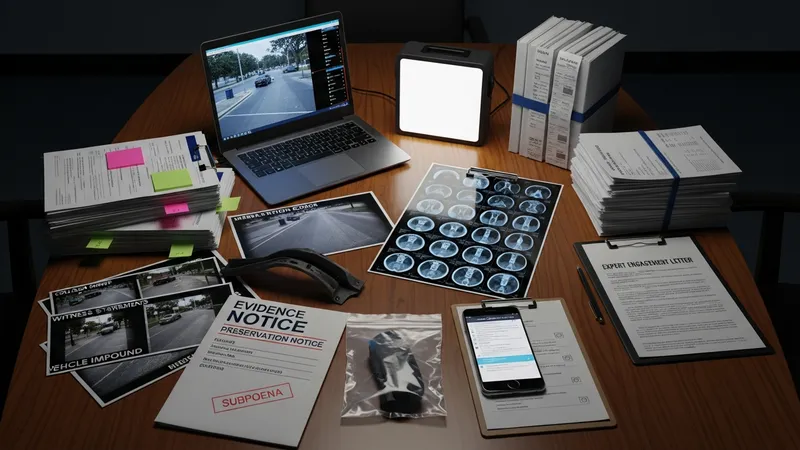
Medical documentation is typically central to proving damages and causation. Attorneys often work with medical providers to obtain complete treatment histories, diagnostic imaging, and billing statements. Independent medical examinations or peer reviews may be arranged when cause or extent of injury is contested. Expert witnesses—such as physicians, engineers, or vocational experts—may prepare reports and provide testimony. Expert fees vary widely depending on specialization and case complexity, and counsel commonly weigh these costs against expected case value when deciding whom to retain.
Accident reconstruction and technical analyses are used when liability or mechanism of injury is disputed. In vehicle collisions, specialists may use scene measurements, vehicle damage reports, and crash data to estimate speeds and impact forces. For workplace incidents, industrial safety experts may review compliance with OSHA standards or equipment maintenance records. Accessing public databases and regulatory reports can supplement private analyses; linking technical findings to legal theories requires coordination between counsel and retained experts to ensure admissibility under applicable evidence rules.
Chain-of-custody, authentication, and expert qualification are procedural matters that often affect strategy. Attorneys commonly document how evidence was obtained and maintained to reduce challenges at trial. Depositions and written discovery can test opposing witnesses and develop admissions that support expert analysis. These investigative steps may lengthen timelines and increase costs, yet they often clarify settlement potential and the strengths or weaknesses of a party’s position before formal filings or trial.