
Peer-to-Peer Investing: Understanding How Online Lending Platforms Work

Platform Structures and Loan Types in Peer-to-Peer Investing
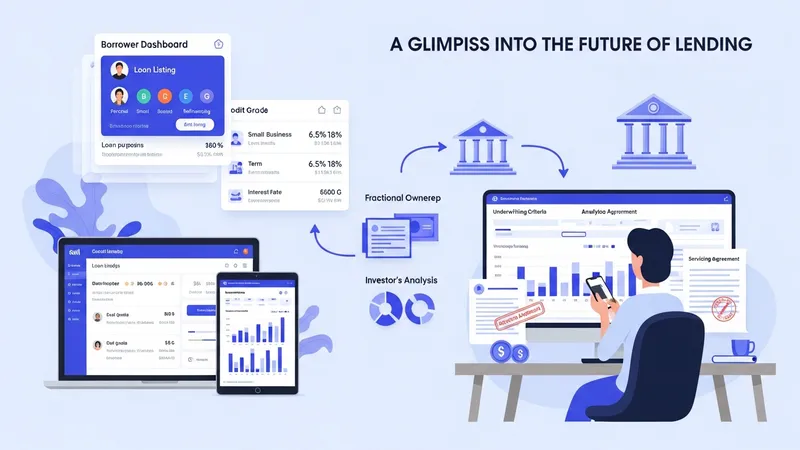
Different U.S. platforms may operate under distinct structural models that influence investor experience. Some platforms historically allowed individual investors to buy fractional notes backed by loans originated on the platform, while others partner with banks or institutional lenders that initially fund loans and later transfer interests. Common loan types presented on U.S. marketplaces include unsecured personal installment loans, small-business loans, and debt refinancing products. Loan terms, collateral requirements, and repayment schedules can vary by loan category. Understanding the origination and holding structure may clarify where credit risk resides and who performs servicing functions for listed loans.
Loan listings on U.S. platforms typically include standardized data fields to support investor evaluation. These fields often contain borrower credit grade or score ranges, loan purpose, term length, interest rate range, and payment schedule. Platforms may also provide historical performance charts or vintage analyses segmented by credit grade. For investors, these data points may be used to model expected cash flows and loss scenarios. It is common for U.S. platforms to require documentation of a loan’s underwriting criteria and servicing agreements in their disclosures to comply with transparency expectations.
Origination partners can affect regulatory classification and investor protections. When a bank originates a loan and subsequently sells or transfers an interest, the legal characteristics of the investor exposure may differ from loans directly originated by nonbank platforms. Federal agencies such as the Consumer Financial Protection Bureau (CFPB) and the Securities and Exchange Commission (SEC) may have jurisdictional intersections depending on product structure, so prospective investors and analysts often review platform disclosures and public filings to understand legal frameworks and compliance measures relevant to listed loans.
Platform selection for investors may be informed by loan mix and liquidity features. Some U.S. marketplaces emphasize consumer installment loans with predictable monthly payments, while others include business-purpose credit with different repayment profiles. Secondary market availability can vary; some platforms or third-party services provide a marketplace for resale of loan interests, which may introduce additional fees and liquidity considerations. Readers may compare loan types and structural arrangements to align expectations with their analysis of yield, duration, and credit exposure.