
Overwater Villas: Key Features And Unique Experiences In Saudi Arabia

Architectural Considerations in Overwater Villa Design
Architectural planning for overwater villas in Saudi Arabia begins with an assessment of site-specific conditions. Designers typically evaluate factors such as water depth, tidal range, prevailing winds, and sunlight orientation. Advanced modeling tools may be used to predict how the structure will interact with its environment throughout the year, ensuring both safety and longevity. The placement and orientation of each villa are determined with an aim to maximize natural views while preserving local marine biodiversity. These methods are fundamental to minimizing environmental disturbance during both construction and use.
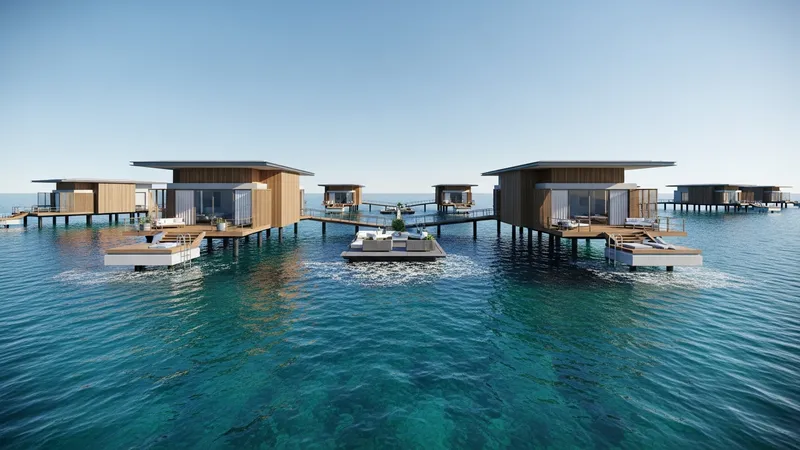
The structural framework of overwater villas often relies on corrosion-resistant materials such as treated timber, steel, and concrete suitable for saline conditions. Joints and connections are designed to accommodate minor movements caused by tides or waves, reducing the risk of long-term wear. In some cases, innovative foundation systems, like screw piles or floating platforms, are used to minimize direct impact on seabed ecosystems. This approach allows for adequate water flow beneath the villas, supporting local marine habitats.
Roof forms in overwater villa architecture may reflect a mix of traditional and modern influences. Pitched roofs, commonly seen in Saudi coastal architecture, can help with rainwater collection and ventilation. Flat or gently sloped roofs are sometimes chosen to support solar panel installation or rooftop green spaces. The use of large overhangs may provide shade and help regulate indoor temperatures, an important factor given the region’s climate.
Exterior finishes are typically inspired by regional colors and materials, with natural stone, sustainably sourced timber, and light-colored composites frequently used. These materials are selected for durability as well as aesthetics, aiming to create harmony between the built environment and the surrounding waterscape. By blending local craftsmanship with advanced engineering, overwater villa designs in Saudi Arabia strive to achieve both functional and cultural integration.