
Orthophosphate Water Treatments: Principles And Applications In Water Systems

Operational Challenges and Future Directions in Orthophosphate Water Treatments
Operational challenges with orthophosphate treatments may include maintaining dosing consistency, managing interactions with other water treatment chemicals, and responding to seasonal or source water changes. Equipment calibration, supply chain management for chemical stocks, and operator training are fundamental components of reliable orthophosphate treatment operations. Variability in source water chemistry can necessitate rapid adjustments to dosing protocols to maintain optimal system protection.
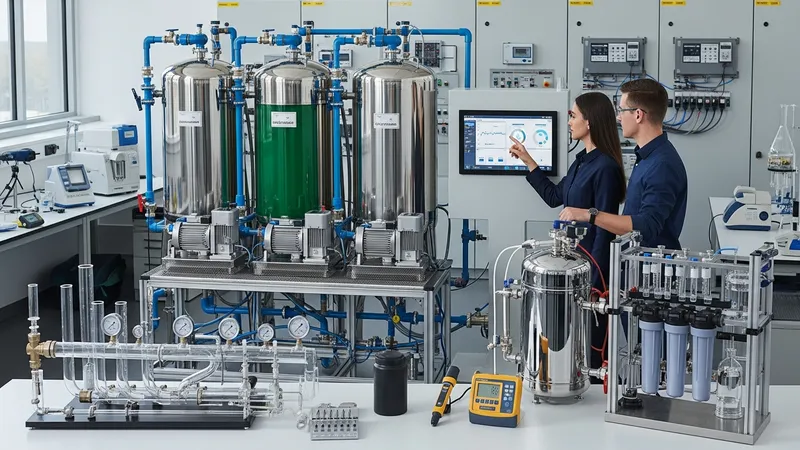
Research and industry practice continue to refine understanding of how orthophosphates perform under varying hydrodynamic and environmental conditions. Emerging questions often focus on potential environmental impacts from phosphorus discharge and on optimizing treatment protocols for contemporary water distribution systems with increasingly complex infrastructure and diverse water sources. Ongoing evaluation and pilot studies support adaptation to new challenges and technologies.
The future of orthophosphate water treatments may include broader integration with digital monitoring and automation platforms, enabling more precise dosing and quicker responses to changing water quality data. Developments in materials science and corrosion engineering could inform updated guidelines on treatment practices, drawing on advanced analytics and historical performance records for predictive management.
Overall, orthophosphate water treatment represents a mature but evolving method for corrosion control in managed water systems. Continued public health priorities, regulatory standards, and technological advancements will likely shape how utilities around the world apply these strategies, emphasizing the importance of flexible, informed operational approaches in achieving stable and reliable water supplies.