
Orthophosphate Water Treatments: Principles And Applications In Water Systems

Key Chemical Principles Behind Orthophosphate Water Treatments
Underlying the use of orthophosphate treatments is a set of well-characterized chemical reactions that occur at metal/water interfaces within pipes. When orthophosphates are present in distribution systems, they may react with metal ions released from pipe surfaces, potentially forming insoluble phosphate compounds. These compounds can deposit as thin, adherent films, which can help inhibit further corrosion by creating a physical and chemical barrier losing the metal surface from direct contact with the water.
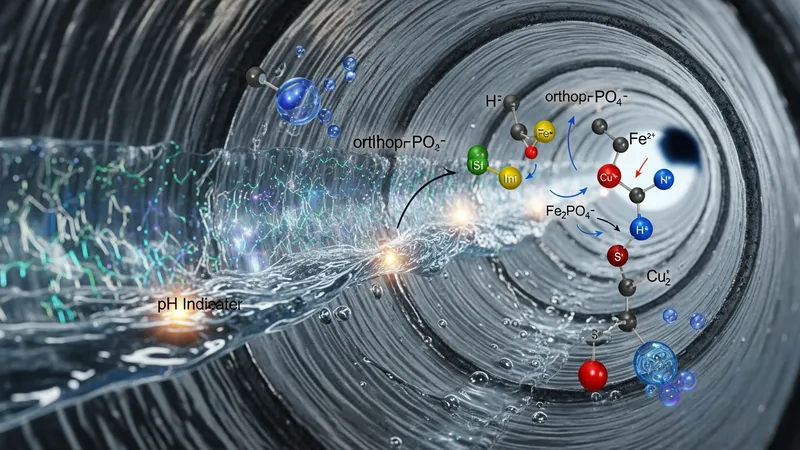
The effectiveness of orthophosphate in reducing metal leaching can depend on several water chemistry parameters. Critical factors include pH, which may govern how reactive phosphate species behave, as well as alkalinity, dissolved oxygen content, and temperature. In many systems, regular testing is conducted to track these variables and to ensure conditions remain within ranges conducive to film formation and stability over time.
Orthophosphate dosing can interact with other ions in the water, such as calcium, magnesium, and iron. In some water chemistries, these interactions may lead to additional scale formation, which could either help or hinder system objectives depending on desired protection levels and aesthetic or operational concerns. Adjustments in dosing and formulation may be required when significant changes in bulk water quality or operational parameters are observed.
Understanding these chemical processes and their dynamic nature allows water treatment professionals to refine their orthophosphate management strategies over time. Knowledge of water chemistry and regular analysis support the development of responsive dosing programs, which are key for managing complex or changing distribution networks with diverse piping materials and water sources.