
Motorcycle Accident Lawyers: Understanding Their Role In Injury Claims

Evidence and investigation practices used in motorcycle injury claims
Evidence gathering frequently begins at the scene and extends through medical treatment and repair records. Attorneys commonly seek the police crash report, witness contact information, traffic camera footage when available, and photographic documentation of vehicles and roadway conditions. In some cases, attorneys may arrange for preservation of vehicle data or request electronic records from traffic control systems. These data sources can be relevant to reconstructing impact dynamics and establishing timelines for the incident.
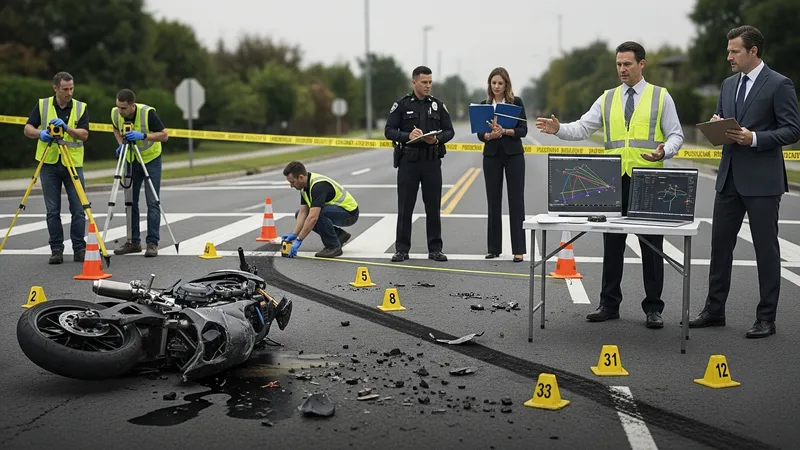
Accident reconstruction can be employed to analyze physical evidence and accident mechanics. Reconstruction experts may assess tire marks, point of rest, deformation patterns, and vehicle dynamics to form an opinion about relative speeds and trajectories. Such expert analysis can be particularly relevant in disputes over liability where witness statements conflict. Attorneys may retain reconstruction specialists or coordinate independent engineers to provide technical reports admissible in state courts.
Medical documentation plays a central role in quantifying damages. Attorneys often compile emergency care records, imaging results, treatment plans, and medical bills to document injury severity and treatment costs. For long-term or complex injuries, vocational and life-care planning experts may be consulted to estimate future care needs and lost-earnings implications. Preservation of medical evidence and a clear treatment chronology can support damage calculations and settlement negotiations.
Chain-of-custody and preservation procedures are practical considerations during investigation. Prompt steps, such as issuing preservation letters to hospitals or repair shops and requesting retention of vehicle components, can reduce risk that critical evidence is lost. Attorneys typically monitor deadlines for evidence requests and filings, and may use subpoenas during litigation to secure records that are otherwise unavailable through voluntary disclosure.