
Mortgage Types: Exploring Real Estate Financing Options And Key Considerations

How Market Conditions Influence Mortgage Types in Real Estate Financing
The popularity and pricing of different mortgage types can shift based on broader market interest rates and economic conditions. Fixed-rate mortgages are often favored in environments where interest rates are low but expected to rise, as borrowers can secure the current rate for the long term. In times of stable or declining rates, adjustable-rate mortgages may attract more interest due to their typically lower introductory rates.
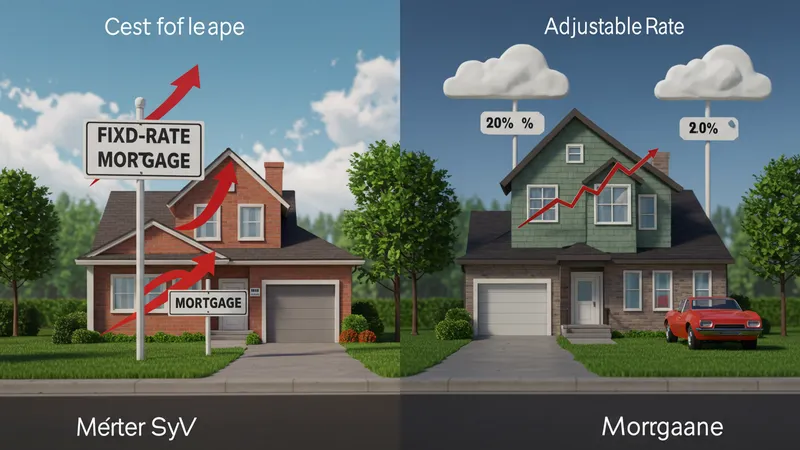
Adjustable-rate mortgages can provide cost advantages if interest rates remain low throughout the adjustable period. However, in volatile markets, these loans might result in higher monthly payments when adjustments occur. Borrowers frequently review the caps and limits governing how much the rate and monthly payment can increase in a given period to manage risk exposure.
Interest-only mortgages are sometimes used by borrowers anticipating significant increases in income or expecting to hold the property for a relatively short timeframe. In periods of high property appreciation, interest-only loans may allow flexibility, though they may also increase the risk of negative equity if real estate values fall during the interest-only phase.
Across all mortgage types, lenders may adjust lending criteria—such as down payment requirements or credit thresholds—based on perceived market risks and regulatory factors. Keeping informed about prevailing mortgage rates and market forecasts can support more realistic planning in selecting a mortgage structure aligned with individual circumstances.