
Mortgage Financing: Exploring Loan Types And Application Processes

Application Procedures and Documentation for Mexican Mortgage Financing
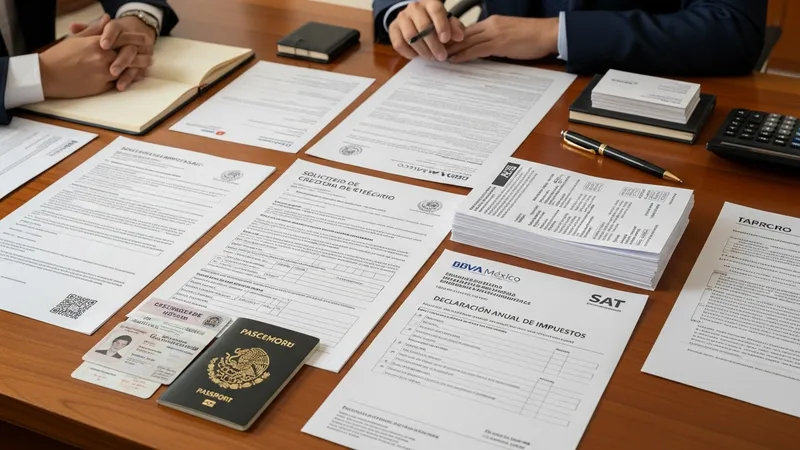
Securing mortgage financing in Mexico typically involves a structured application process intended to verify both the creditworthiness of the borrower and the legal condition of the property. Applicants can expect to submit personal identification, proof of income (such as pay stubs or tax returns), and detailed records documenting assets and liabilities. Lenders may also require proof of legal residency or citizenship, as well as credit reports sourced from Mexican credit bureaus.
The property subject to financing is commonly appraised through independent evaluators to determine its market value and eligibility. Mexican law requires that the property be free of legal encumbrances and properly registered with the applicable public registry office. Insurance against property damage or loss may also be mandated by the lender, in line with typical industry practices to protect both borrower and financial institution.
During the approval phase, lending institutions conduct internal analyses to review documentation, assess risk, and ensure compliance with Mexican regulatory frameworks. Timeframes for approval can vary, shaped by the completeness and accuracy of submitted documentation, as well as the complexity of the property’s legal status. Borrowers may find regulatory bodies, such as CONDUSEF or the Comisión Nacional Bancaria y de Valores (CNBV), provide transparent guidelines on standard financing processes.
Finalizing a mortgage in Mexico generally includes the signing of a public deed before a notary public, the formal registration of the mortgage at the local property registry, and the disbursement of funds. This legal formality is aimed at ensuring that all parties fully understand their rights and obligations, with recourse available in the event of disputes or non-compliance. Successful completion of these steps secures both ownership and lender interests in accordance with Mexican law.