
Modular Data Centers: Key Features And Operational Advantages

Security, Reliability, and Operational Monitoring in Modular Data Centers
Security in modular data centers combines physical and digital controls. Access points are limited and usually equipped with electronic locking systems, surveillance cameras, and biometric verification. These measures support the prevention of unauthorized entry and allow for detailed monitoring of movement within the units, protecting sensitive information and hardware.
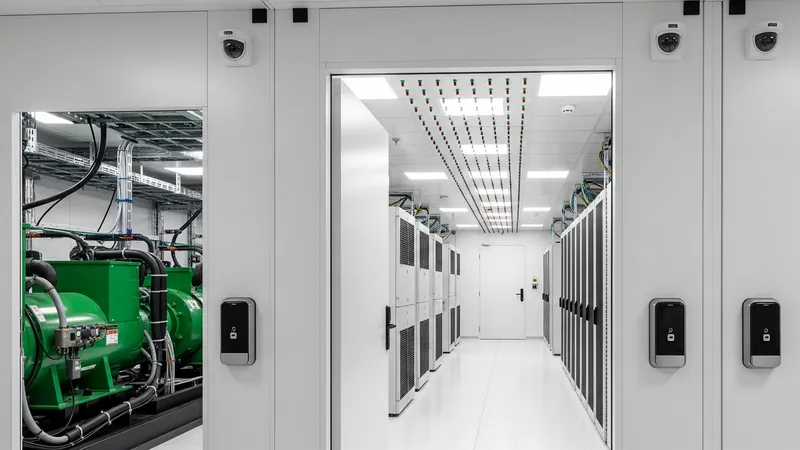
Reliability is promoted through redundancy features built into both power and cooling systems. Backup generators and batteries are often included, providing continued operation during primary power interruptions. Pre-integrated fire detection and suppression systems are standard, designed to mitigate damage and quickly respond to emerging threats, further reducing risk to equipment and operations.
Operational monitoring in modular data centers utilizes networked sensors and management software for real-time oversight. Administrators can access performance data remotely, enabling rapid response to system alerts. This level of monitoring allows for timely identification of performance bottlenecks and assists with maintenance planning, reducing unplanned downtime.
Compliance with industry standards for security and uptime can be supported by modular designs that incorporate pre-certified components and documented installation practices. Many solutions are developed to align with recognized frameworks, such as those from the Uptime Institute. This attention to regulatory and operational compliance is increasingly relevant in sectors requiring stringent data protection and service continuity.