
Modular Data Centers: Key Features And Operational Advantages

Structural Features of Modular Data Centers: Key Considerations
Modular data centers are constructed using modular steel or aluminum frames designed for durability and portability. These frames are typically insulated to maintain internal climate conditions, and preconfigured with mounting systems for IT racks and related equipment. Their construction enables units to be transported by standard logistical methods, allowing placement in urban, suburban, or remote locations without extensive building requirements.
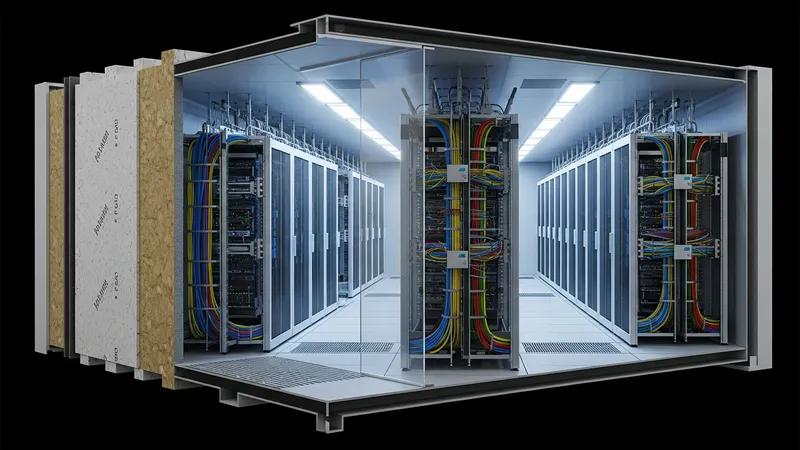
Interior layouts of modular data centers generally prioritize airflow control and equipment accessibility. Many designs adopt hot-aisle/cold-aisle containment to optimize cooling, reducing energy consumption and helping maintain consistent temperatures across all racks. Cable management and system distribution are preplanned for ease of maintenance, enabling technical teams to manage updates without disrupting core operations.
Prefabrication ensures that each component is assembled and tested offsite before installation. This approach can reduce the margin for error during deployment, as modules are delivered with integrated power and cooling systems. Organizations often find that pre-engineered layouts provide a reliable platform for meeting uptime and operational continuity needs, especially in rapidly changing environments.
Materials used in modular data centers are selected to support longevity and environmental controls. Wall and roof panels typically include reinforced sealants and fire-rated layers, while floors are structured to support heavy IT loads. These physical features work in combination to protect sensitive equipment from dust, moisture, and temperature fluctuations, contributing to the reliability of the entire unit.