
Microfluidic Assay Development: Key Steps In Optimizing Analytical Workflows

Detection Technologies Incorporated in Microfluidic Assays
Detection methods integrated within microfluidic assays vary according to the analytes of interest and required sensitivity. Optical detection methods, including fluorescence and absorbance, are common due to their compatibility with transparent microfluidic materials like PDMS or glass. In Mexican laboratories, instruments such as fluorescence microscopes and spectrophotometers facilitate these detection strategies across various microfluidic applications.
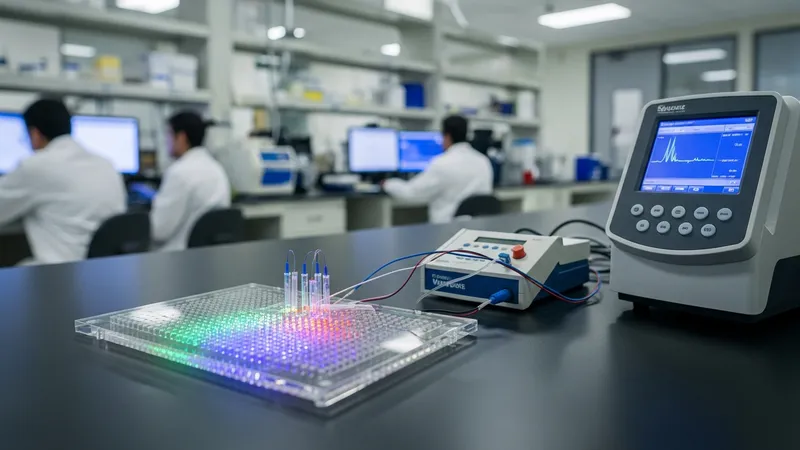
Electrochemical detection is another approach that may be integrated into assay platforms. This technique measures current or potential changes resulting from analyte interactions at electrodes embedded within microchannels. Its relatively straightforward setup and miniaturization potential make it suitable for several analytes explored in academic research settings in Mexico.
Mass spectrometry and surface plasmon resonance are advanced detection methods occasionally coupled with microfluidic devices in research centers. Although requiring more specialized instrumentation, these approaches provide high specificity and detailed molecular information. Their usage typically aligns with specialized projects involving collaborations across institutions.
Detection methods are selected based on assay requirements, compatible materials, and cost considerations. In microfluidic assay development, integrating detection technologies seamlessly into the device design facilitates workflow efficiency and data acquisition consistency.