
Microfluidic Assay Development: Key Steps In Optimizing Analytical Workflows

Fabrication Techniques in Microfluidic Assay Development
The selection of fabrication techniques in microfluidic assay development often influences the assay’s design flexibility and reproducibility. Soft lithography, employing elastomeric materials such as PDMS, is frequently used within Mexican research laboratories to create intricate channel structures due to its relatively accessible setup and moderate costs. This method can accommodate various assay iterations without extensive tooling changes, favoring environments focused on prototyping and experimental adjustments.
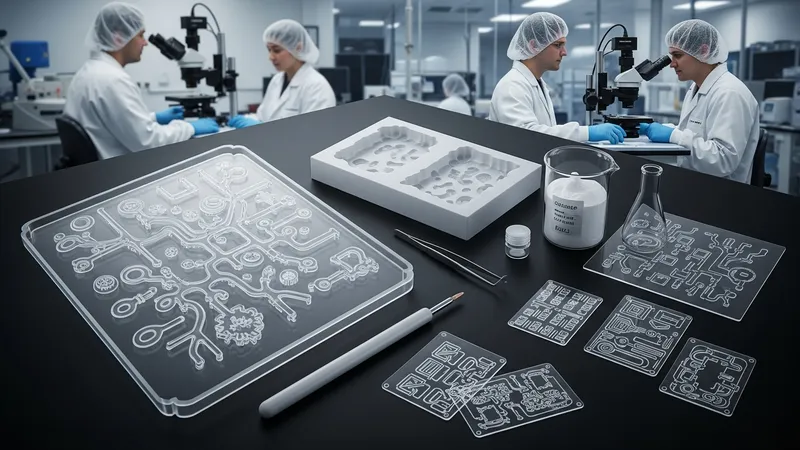
Photolithography, by contrast, can offer higher resolution fabrication suited for more defined microchannel geometries. In Mexico, facilities at institutes specializing in microfabrication may provide this option, although costs and access vary between institutions. As photolithography usually requires cleanroom environments, assay developers must consider logistical factors such as availability and throughput times.
Other fabrication approaches occasionally utilized include hot embossing on thermoplastics and laser ablation techniques. These may be more common in applied research or small-scale production settings and can align with specific material preferences or assay requirements. For instance, thermoplastics often enable more robust devices potentially reusable under certain conditions, albeit sometimes at the expense of rapid prototyping speed.
Designers often balance fabrication resolution, material costs, and production timelines based on assay complexity. In Mexico, university-affiliated technology centers and research groups frequently collaborate to optimize these fabrication strategies as part of broader analytical workflow improvements. Such collaborations may influence the selection of fabrication methods and device materials aligned with local infrastructure.