
Medical Treatment: Key Components Of Comprehensive Care

Follow-Up, Monitoring, and Continuity in Comprehensive Care
Follow-up and ongoing monitoring are central aspects of comprehensive care models in the United States. After initial interventions, care teams generally create individualized follow-up plans. These plans may include regular office visits, telemedicine appointments, laboratory or imaging evaluations, and coordination with specialty or rehabilitation providers. The purpose is to detect any emerging issues, monitor progress, and adjust treatment strategies as needed.
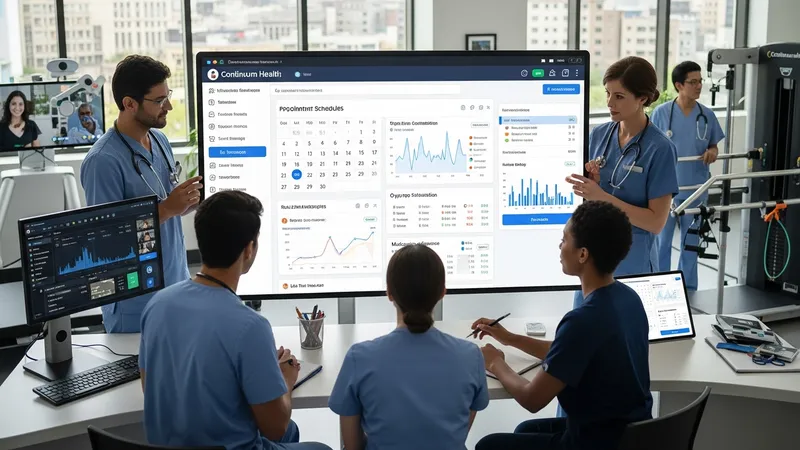
Utilization of EHRs supports ongoing communication among care providers and allows patients to access their own health data. Features such as appointment reminders, secure messaging, and real-time result reporting are standard among major U.S. institutions. These tools help maintain the flow of information, offer prompt attention to new concerns, and foster informed patient participation in long-term management.
Continuity of care is also emphasized through strategies like designated care coordinators, standing care plans for chronic conditions, and structured transitions between inpatient and outpatient services. These efforts are designed to limit fragmentation and ensure that relevant information is consistently shared among practitioners. Medicare and other payers often evaluate continuity as part of quality benchmarks in United States healthcare delivery.
Periodic reassessment and patient education play essential roles throughout the treatment continuum. Educational components may cover medication use, potential side effects, activity modifications, dietary guidance, and self-monitoring practices. These initiatives, delivered via in-person sessions, digital platforms, or printed materials, can contribute to better communication and may support individuals in their recovery and long-term care planning.