
Medical Equipment: Factors To Consider When Selecting Devices For Healthcare Settings

Clinical requirements and device functionality in selecting medical devices
Clinical requirements often drive the initial narrowing of device options by defining what functions are essential for patient care. For example, when choosing monitoring equipment, teams typically specify which vital signs, waveform accuracy, or alarm thresholds are clinically necessary. For infusion devices, required dosing accuracy and compatibility with specific medication protocols may be primary filters. Imaging equipment selection may focus on resolution, portability, or radiation shielding needs. Clarifying clinical endpoints and typical use scenarios can help ensure device capabilities align with intended patient care tasks rather than peripheral features.
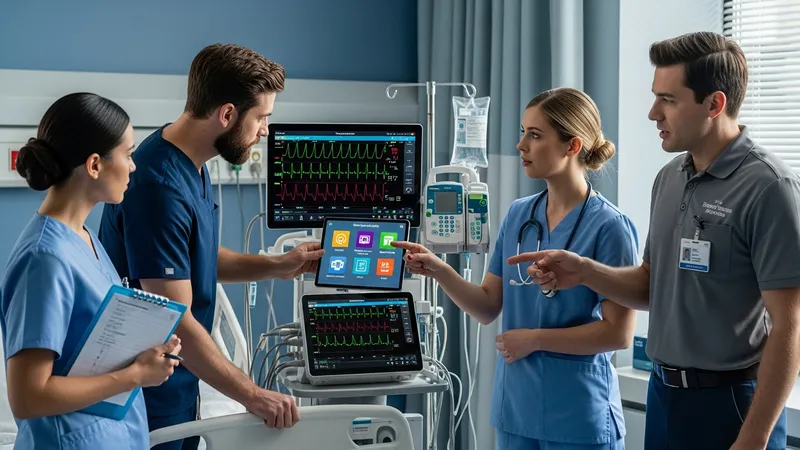
Functionality assessments typically examine both primary capabilities and secondary features that affect usability. Clinicians may evaluate whether data export formats are compatible with electronic health records, whether alarms are configurable to reduce nuisance alerts, and whether the device supports clinician workflows such as mobility between wards. Devices that allow customization of user profiles or integration with clinical decision support tools may offer flexibility, but these features also introduce additional configuration and governance requirements that should be considered in planning.
When assessing suitability for different clinical areas, teams often consider environmental constraints such as space, power availability, and infection control needs. Portable monitors or handheld imaging units may be preferred in emergency or ward-based care due to mobility, whereas fixed installations may be acceptable in dedicated imaging suites. Infection control features, like smooth surfaces for disinfection or disposable components, may affect selection for high-acuity or isolation areas. These practical constraints can influence which devices prove operationally feasible in specific settings.
Clinical input is commonly formalised through multidisciplinary committees or user group testing to capture a range of perspectives. Structured trials or staged rollouts may reveal workflow impacts and unanticipated user requirements. Collecting objective data during trials—such as setup time, error rates, or user satisfaction metrics—can support evidence-based comparisons. These data-driven observations may be used alongside technical specifications to reach more balanced decisions about which devices are most appropriate for particular clinical contexts.