
Master’s Degree: How Advanced Study Can Deepen Knowledge And Skills

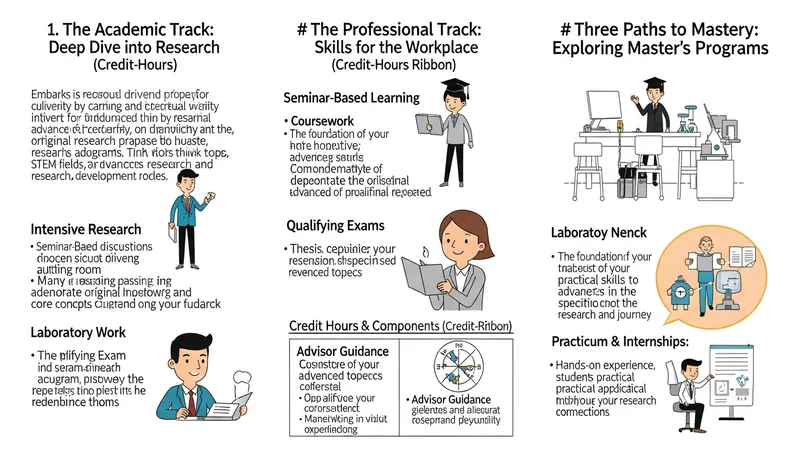
Types of master’s programs and how they deepen knowledge and skills
Master’s program types in the United States commonly include academically oriented degrees (e.g., M.S., M.A.), professionally oriented degrees (e.g., MBA, M.Ed., MSW, MPH), and specialized terminal degrees for practice. Academic degrees often emphasize methodological rigor and may require a thesis; professional degrees typically prioritize applied coursework, internships, or practica. Joint and interdisciplinary programs combine frameworks from multiple fields to address complex problems. These program forms may shape curricula, advising patterns, and assessment practices, influencing the balance between theoretical depth and applied skill development for U.S. students.
Credit requirements and curricular sequencing are typical differentiators across program types. Many U.S. master’s programs commonly require around 30–36 semester credit hours, but professional degrees can have variable credit structures tied to practicum or residency components. Some academic programs include qualifying exams or comprehensive assessments to ensure mastery of core concepts, while professional programs may use employer-supervised internships or capstones as evidence of applied competence. These structural choices affect how students allocate time to coursework, independent study, and experiential learning.
Field-specific expectations also influence how programs deepen skills. For example, engineering or computer science master’s study often includes laboratory work, coding projects, or systems design, whereas social science master’s programs may emphasize advanced statistical methods, qualitative research, and theory-driven analysis. In education and health-related professional degrees in the United States, supervised practicum hours and licensure-aligned components can contribute to practice readiness. Program curricula reflect the methods and competencies considered central to each discipline.
Considerations for prospective students and academic planners in the U.S. context often include alignment between program type and intended outcomes. Choosing between a thesis track and a professional track may hinge on whether the objective is preparation for doctoral study, research roles, or sector-oriented professional practice. Institutional offerings vary across public and private U.S. universities, and program design typically reflects disciplinary norms, accreditation standards, and employer expectations in the relevant field. These factors may shape curricular emphasis and the kinds of skills students develop.