
Manufacturing Productivity: Strategies For Operational Efficiency

Digital Workflow Management for Operational Efficiency
Digital workflow management platforms are increasingly adopted in Mexico’s manufacturing sector to track, schedule, and optimize production tasks. These platforms often integrate with existing enterprise resource planning (ERP) systems to consolidate data on inventory, machine usage, and workforce allocation. Mobile-friendly interfaces and real-time dashboards promote informed decision-making on the factory floor.
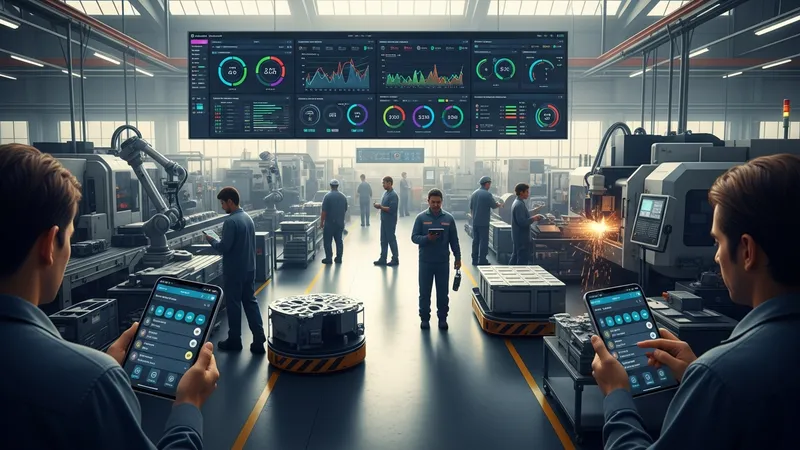
System implementation usually involves software licensing agreements—as noted, ranging from $20,000 MXN to $100,000 MXN annually—as well as costs related to integration and training. Mexican companies may pilot workflow systems in specific departments before expanding across wider operations, which helps in adjusting the approach based on feedback and measurable outcomes.
Many digital workflow systems offer predictive maintenance features, alerting technicians to potential equipment issues before they disrupt output. This proactive monitoring may translate to reduced unplanned downtime and can be especially valuable in high-throughput facilities. Organizations often report higher asset utilization rates and better scheduling accuracy as a result of these digital tools.
Adoption of digital workflow management often requires a cultural adjustment as staff become accustomed to new performance tracking methods. Clear communication and consistent support from leadership are important when introducing digital tools. Training programs and phased implementation strategies are frequently cited as best practices in Mexican manufacturing environments.