
Manufacturing Productivity: Strategies For Operational Efficiency

Automation Approaches in Operational Efficiency for Manufacturing
Automation in Mexican manufacturing environments may include the adoption of programmable robots, automated material handling, and sensor-driven quality inspection tools. These technologies are often selected based on compatibility with existing processes and the type of products being produced. Automated systems can enhance repeatability, but require scheduled maintenance and skilled technical operators to achieve consistent performance.
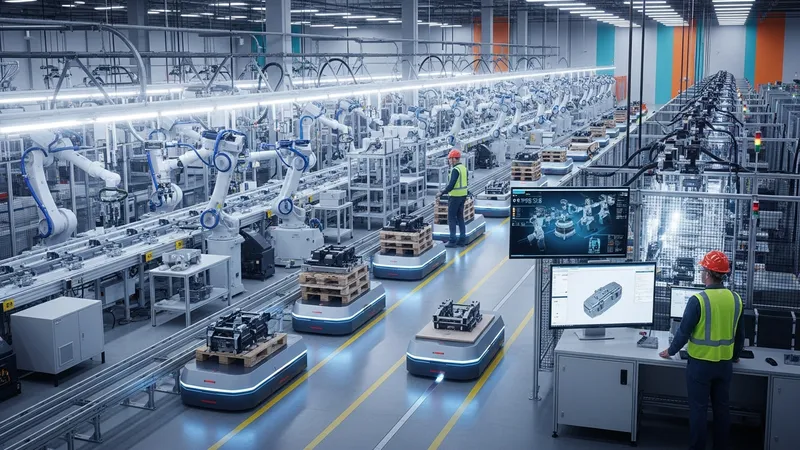
Cost structures for automation typically involve equipment purchase, installation, and employee training. Programmatic machines and integrated automation lines may have up-front costs in the range of hundreds of thousands to several million MXN, depending on complexity. According to the Mexican Ministry of Economy, these investments may be offset over time by reductions in labor costs and improved production rates, but the return on investment varies across sectors.
Workforce implications of automation adoption often mean a shift in the types of skills required in Mexican factories. Operators may transition from manual assembly to machine monitoring and troubleshooting. Companies frequently invest in technical training programs, often in partnership with local technical universities or government initiatives focused on industry modernization.
Regulatory and safety standards play a significant role in designing automation systems in Mexico. Adherence to official Mexican standards (Normas Oficiales Mexicanas, NOMs) ensures compliance with safety protocols and operational reliability. Manufacturers implementing new automation must coordinate with authorities and sometimes undertake certification processes to validate workplace safety and product integrity.