
Luxury Interior Design: How Space Planning Shapes Elegant Environments

Space Zoning Approaches in Luxury Canadian Interiors
Space zoning in luxury homes across Canada typically emphasizes fluidity while maintaining distinct functions for various areas within open-plan layouts. This is often achieved through the careful placement of furnishings, structural elements, or built-in features, which may subtly guide movement and define each zone. Designers may consider how social, private, and support spaces interact, ensuring that each supports the wider objectives of comfort and utility.
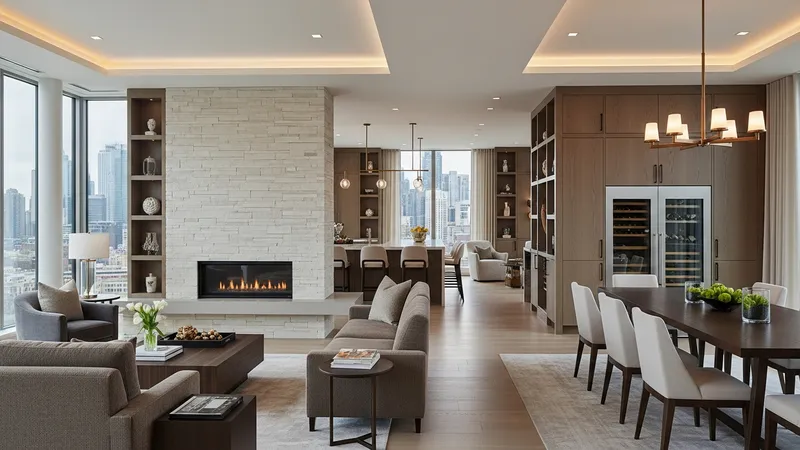
In Toronto and Vancouver, the integration of floor-to-ceiling glass and the orientation of rooms can maximize daylight and views of natural landscapes or urban skylines. Such zoning methods prioritize both visual connection and sound management, often using partial dividers, custom millwork, or acoustic treatments that enhance privacy without closing off spaces entirely.
Adaptability is another feature often considered in these plans. Many luxury interiors in Canada are designed to accommodate seasonal changes, with spaces that transition seamlessly from indoor to outdoor living in warmer months or feature fireplaces and enhanced insulation for colder seasons. These approaches reflect the unique climate variations experienced across the country.
Lighting plays a critical role in space zoning by reinforcing distinct atmospheres for each area. Layered lighting schemes, including ambient, task, and accent lighting, are commonly used to make spaces multifunctional while supporting the overall design intent. Designers may employ energy-efficient LED systems, which can be tailored to different zones for enhanced control and adaptability.