
Luxury Interior Design: Exploring Materials And Finishes

Spatial Planning and Functional Considerations in Luxury Interiors
Spatial planning plays a critical role in the successful execution of luxury interior design. The process often begins with a clear assessment of the intended use for each area, ensuring the materials and finishes support not just the desired look, but also the functionality of the space. Floor plans may be adapted to prioritize natural light, traffic flow, or flexibility, with materials selected to support these goals. In the United States, this may involve collaboration between designers, architects, and clients from the earliest project stages.
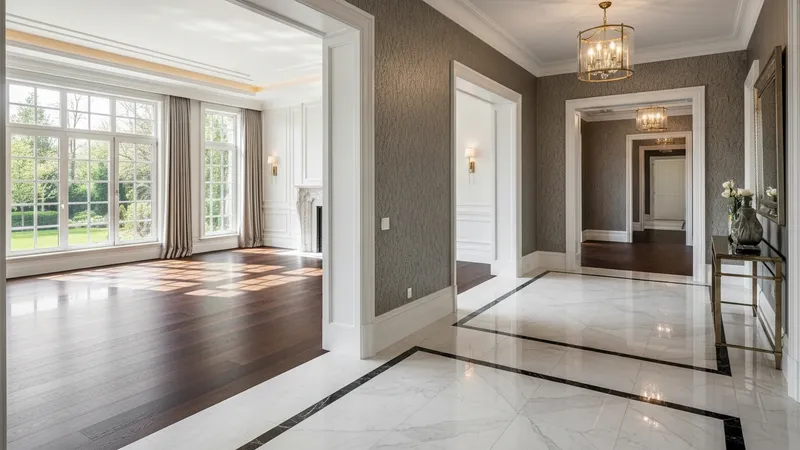
The integration of different materials can significantly impact how spaces are perceived and used. For example, a transition from marble in formal living areas to wood flooring in private zones may clearly delineate functional areas while maintaining visual harmony. Specialty wall finishes in entryways can help set the tone for the rest of the interior, while resilient surfaces are often chosen for busy or high-traffic locations. These practical choices aim to balance daily use with the desired atmosphere.
It is common for luxury projects to include custom-built furniture and joinery, made specifically to fit unique spatial constraints. This ensures that every element appears intentional and tailored, maximizing available space and enhancing both comfort and usability. In kitchens and bathrooms, storage solutions may be seamlessly integrated with cabinetry or wall finishes for a clutter-free appearance, using high-performance materials to withstand regular use.
Functional design principles in luxury interiors also extend to considerations such as acoustic control, privacy, and maintenance. For instance, heavier fabrics or wall treatments may be used in areas where sound absorption is desired, while durable yet refined finishes like polished stone or sealed wood ensure long-term performance. The balance between practical needs and refined aesthetics is a key hallmark of effective luxury interior environments.